

Push-to-card systems are reshaping payouts by combining speed, personalization, and incentives. They help brands pay faster, make recipients feel valued, and turn ordinary transfers into smoother, more memorable experiences.
The modern payment experience has changed quickly, and push to card platforms sit at the center of that shift. People expect money to arrive fast, clearly, and with as little friction as possible. When a business can deliver a payout directly to a card, the result is not only convenience, but also trust, clarity, and a stronger relationship with the recipient. That is why push to card platforms deserve attention from teams that want growth and simplicity, especially when they need a payment model that feels modern, dependable, and easy to manage.
In practice, push to card platforms help businesses pair operational speed with a more human experience. That matters because recipients do not remember every technical detail, but they do remember how easy or difficult the payment felt. A smooth payout can reduce support questions, lower confusion, and create a more positive brand impression from the very first interaction.
What Are Push-to-Card Platforms?
To understand what are push to card platforms, it helps to think about them as a fast disbursement method built for modern expectations. With push to card platforms, an organization can send funds directly to an eligible debit or prepaid card instead of relying on slower legacy transfer methods. The value is simple: less waiting, fewer support questions, and a smoother journey for the person receiving the money. For businesses, push to card platforms also create a more predictable payout model that can scale across campaigns, refunds, rewards, and recurring disbursements.
Seen through a business lens, push to card platforms reduce waiting and make delivery feel dependable. When the money arrives quickly, the recipient is more likely to view the experience as professional and respectful. That makes the platform useful not only for finance teams, but also for customer-facing teams that want every interaction to reinforce confidence.
How the Payment Flow Works
The process behind how push to card payments work is straightforward from the user’s perspective, even if the technology behind it is complex. A payout is initiated, the card details are verified, and the funds are routed through card network rails designed for rapid transfer. With push to card platforms, businesses can automate this flow so the payout happens at the exact moment the event is triggered. That means push to card platforms can support everything from contractor payments to customer refunds without unnecessary delay.
When this flow is automated, push to card platforms support consistent execution at scale. That consistency matters because payment delays usually create confusion, while timely payouts create confidence. The recipient does not need to understand every step behind the scenes. They only need to feel that the process works exactly when they need it to.
Why Speed Shapes Recipient Trust
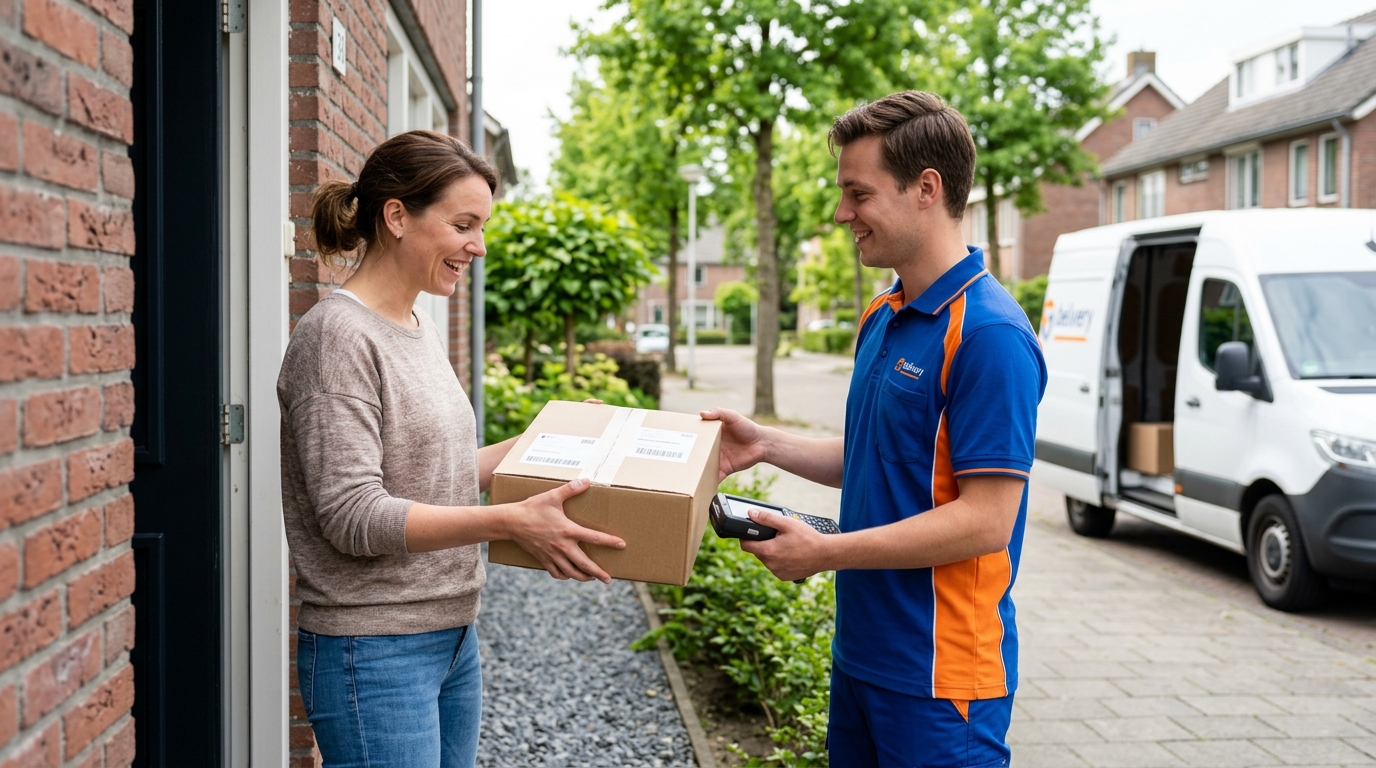
People judge payment experiences emotionally before they judge them technically. When money is delayed, it creates uncertainty; when money arrives quickly, it creates confidence. That is a major reason push to card platforms matter so much in customer-centric industries. A fast payout can lower anxiety, reduce follow-up messages, and make the entire transaction feel more dependable. In practice, push to card platforms help businesses show respect for the recipient’s time, which is often the real reason people stay loyal.
In many cases, push to card platforms turn uncertainty into confidence within seconds. That quick shift can affect how someone remembers the brand. If the payout is the final moment in a service journey, then that moment becomes a powerful impression. A smooth payment does not just solve a financial problem; it strengthens the relationship around it.
Building a Better Delivery Experience
A customizable recipient payment experience is about more than branding. It means the business can shape timing, messaging, labels, and post-payment communication so the transfer feels intentional. Push to card platforms make that easier because the payment layer can be connected to notifications, campaigns, and segmented recipient journeys. When the experience is tailored well, the payout feels less like a cold financial event and more like a thoughtful interaction. That subtle difference can matter a great deal in retention and satisfaction.
Used well, push to card platforms make a routine payout feel more personal and memorable. A recipient may not remember the full system, but they will remember that the payment arrived in a way that felt clear, respectful, and designed around their needs. That kind of delivery can improve trust without adding complexity.
Rewards That Feel Immediate
One of the strongest uses of push to card platforms is incentive delivery. Push to card rewards and cashback systems work well when the reward is visible quickly and does not require a complicated redemption process. Recipients respond positively when they can see the benefit appear almost immediately, because instant value feels more concrete than delayed value. Push to card platforms help businesses create that feeling by connecting action with reward in a simple, direct way. For loyalty programs, that immediacy can improve participation and repeat behavior.
For incentive design, push to card platforms make the reward feel immediate and credible. That matters because people are more likely to engage with a benefit they can understand at a glance. If the payment arrives instantly and the message is clear, the reward feels earned, not delayed. That emotional clarity can improve campaign performance and strengthen brand perception.
Why Cashback Works So Well
Cashback and rewards integration in payments is effective because it links effort with outcome in a way people can understand at a glance. When a purchase, referral, or milestone triggers a reward, the recipient does not need to wait weeks to experience the benefit. With push to card platforms, the reward can be delivered in a way that feels clean, fast, and satisfying. This strengthens the emotional value of the program and helps businesses stand out in crowded markets. That is especially important when multiple brands are competing for the same attention.
That directness is one reason push to card platforms are effective in loyalty programs. People like rewards that feel immediate because immediate rewards create momentum. They encourage another purchase, another referral, or another interaction. When the cashback lands quickly, the experience becomes easier to repeat.
Business Value Beyond Speed
Instant payout solutions for businesses are valuable because they reduce friction across the organization, not only for the recipient. Support teams spend less time answering payment-status questions, finance teams gain a clearer workflow, and operations teams can close the loop faster. Push to card platforms also support better forecasting because automated disbursements are easier to monitor and standardize. When a payout process becomes dependable, the business can spend more energy on growth and less on exception handling. The result is a cleaner operating model and a better brand impression.
Operationally, push to card platforms help teams simplify the last mile of payment delivery. That last mile is often where delays, confusion, and frustration appear. By making the final transfer fast and predictable, businesses reduce one of the most common sources of dissatisfaction in digital finance.
Real-Time Expectations Have Shifted
Real-time payment platforms benefits are now part of normal digital behavior. People no longer compare payment speed only against bank transfers; they compare it against the instant experiences they see in apps, delivery, and messaging. Push to card platforms meet those expectations by making funds available with far less waiting than traditional methods. That matters because a payment experience that feels old-fashioned can make even a good brand seem slow. A payment experience that feels modern can do the opposite and strengthen trust immediately.
Once people experience speed, push to card platforms set a higher standard for future payouts. That is important because expectations rarely move backwards. A company that delivers quickly once is now judged by that standard every time. In that way, speed becomes part of the brand promise.
The Core Technology Layer
Push to debit card technology explained simply means a sender initiates a transfer that is processed through card-based infrastructure designed for fast delivery. Encryption, tokenization, verification, and routing rules all support secure movement of money. With push to card platforms, the recipient usually sees only the outcome, while the business gains a controlled and efficient payment channel. That combination of simplicity on the front end and control on the back end is what makes the model so useful. It balances speed with oversight in a way many organizations need.
Behind the scenes, push to card platforms rely on secure routing and verification logic. That matters because a fast payment still needs to be trustworthy. The best systems do not force businesses to choose between speed and control. They create a process where both can exist together.
Common Uses Across Industries
There are many use cases of push to card payments, and the best ones are usually tied to moments where time matters. Marketplaces pay sellers, gig platforms pay workers, insurers issue claim funds, and brands send refunds or promotional bonuses. Push to card platforms fit these scenarios because they reduce the gap between approval and receipt. The faster the transfer, the sooner the recipient can act on the money, which increases the practical value of the payout. That is why the model keeps spreading across sectors with different customer needs.
Across sectors, push to card platforms support payouts that need both speed and flexibility. Some organizations use them for one-time rewards, while others use them for ongoing disbursements. The common thread is the same: a need for fast, reliable delivery that does not make the user wait.
Automation and Scale
Fintech payout automation tools help businesses reduce repetitive manual work and standardize their payment operations. When these tools are connected to push to card platforms, companies can trigger payments based on approvals, completion events, thresholds, or campaign rules. Automation lowers the risk of human error and makes it easier to process high volumes of small payments. It also improves consistency, which is important when recipients want a payment experience they can rely on again and again. At scale, predictable delivery becomes a major advantage.
At volume, push to card platforms help teams maintain control without adding manual work. That makes them especially valuable for teams that manage frequent payouts or time-sensitive incentives. Instead of building custom fixes for each payment, the business can rely on a repeatable process that performs well under pressure.
Customer Experience as a Growth Lever
Improving customer experience with instant payments is one of the clearest ways to build goodwill. People often remember how a business made them feel at the moment they received value, and payment speed is a big part of that memory. Push to card platforms help create a smooth, respectful, and modern exchange that feels easier for the recipient to accept. When a payout feels easy, the entire brand feels easier to trust. That trust can support higher retention, better reviews, and stronger referral behaviour.
When used consistently, push-to-card platforms become part of the brand promise. That promise is powerful because it tells customers that the business values their time and understands what convenience means in real life. Small moments like these often have a bigger effect on loyalty than large marketing claims.
Choosing the Right Disbursement Approach
A digital disbursement platforms guide should focus on security, card coverage, integration flexibility, reporting, and user experience. Businesses should choose a system that fits their payout volume and the kind of recipient experience they want to create. Push to card platforms are especially strong when a company needs a balance of speed, control, and customization. If the platform matches the use case, it becomes a reliable part of the business model rather than a temporary workaround. That long-term fit is what makes adoption worthwhile.
The right approach also depends on how the recipient will interact with the payment. If the audience is mobile-first, fast notifications and clear messaging matter more. If the payouts are tied to customer loyalty, then the reward presentation matters more. Push to card platforms are flexible enough to support both.
What Success Should Look Like

The best way to measure performance is not just by whether the funds moved. Businesses should also watch completion rate, support ticket volume, recipient satisfaction, and repeat engagement. Push to card platforms perform well when they lower friction across all of those indicators. If people stop asking where their money is and start engaging more often after payout, the system is working. That is the kind of outcome that validates the investment and supports future growth.
In the best cases, push to card platforms make payments feel invisible in a good way. The recipient should not need to think about process or delay. They should simply receive the money, understand it, and move forward without disruption.
Looking Ahead
The future will likely bring smarter routing, deeper personalization, and more integrated reward logic. As push to card platforms continue to evolve, businesses will be able to tie payouts even more closely to behaviour, loyalty, and lifecycle events. That makes the payment layer more strategic than ever. Instead of being a background function, it becomes part of the brand experience itself. For companies that want to stay competitive, that shift is too important to ignore.
Push to card platforms will probably become even more relevant as customers continue to expect faster, clearer, and more personalized financial interactions. The businesses that adapt early will be better positioned to deliver experiences people trust and remember.
Conclusion
In a market where convenience and trust matter more every year, push to card platforms offer a practical way to meet rising expectations. They make payouts faster, reduce friction, support automation, and create room for rewards that feel immediate and personal. When businesses use them thoughtfully, the result is more than a payment method; it is a better relationship with the recipient. As digital finance keeps moving toward instant experiences, push to card platforms will remain a powerful tool for improving both operational efficiency and customer satisfaction.
Push to card platforms also give businesses a way to align payment operations with real human expectations. That alignment matters because people remember fast, clear, and respectful experiences. When the payment moment is handled well, the entire brand feels more reliable, and that reliability can support long-term growth.
FAQs
What do push-to-card platforms help businesses do?
They help businesses send funds directly to eligible cards for refunds, rewards, wages, incentives, and other fast payouts using push to card platforms.
How do push-to-card payments work?
A business initiates the transfer, the platform checks eligibility, and card network rails deliver the money with very little delay.
Are these payments secure?
Yes. Providers typically use tokenization, encryption, monitoring, and verification controls to reduce risk and protect sensitive data.
Can rewards be added to the payment flow?
Yes. Businesses can build cashback or bonus logic into the payout process so the reward appears right away.
Who benefits most from instant payouts?
Marketplaces, gig platforms, insurers, and consumer brands often benefit because recipients value speed and clarity.
Do these systems help with automation?
Yes. They work well with workflow rules, triggers, and approval systems that reduce manual work and errors.
Why do recipients prefer fast payment delivery?
Fast delivery lowers uncertainty and makes the experience feel more respectful, modern, and dependable.
Can companies personalize the experience?
Yes. Messaging, timing, branding, and payout context can all be tailored to create a smoother recipient journey.
Is this only for large businesses?
No. Small and mid-sized businesses can also use these systems when they need efficient, reliable payouts.
What makes this payment model valuable long term?
It combines speed, control, and flexibility in a way that supports better operations and stronger customer trust.