

Starting an ecommerce business is one of the most practical ways to build a scalable online income today. It gives you the freedom to sell products without a physical storefront, reach customers far beyond your local area, and grow at a pace that matches your budget and effort. But success does not come from opening a store and hoping people buy. It comes from understanding the market, choosing the right products, building trust, and creating a system that supports long-term growth.
If you are researching how to start an ecommerce business, the biggest mistake to avoid is rushing into the first idea that looks profitable. The strongest businesses begin with a clear plan, a specific customer, and a simple offer that solves a real problem. When those pieces work together, your store becomes easier to market, easier to manage, and easier to scale.
This guide walks through the full process in a logical order so you can move from idea to launch with confidence. You will learn how to choose a niche, plan your business, select products, set up your website, attract customers, and keep operations under control. By the end, you will have a realistic roadmap for building an online store that can grow over time.
Why Ecommerce Is a Smart Business Model

An ecommerce business gives you flexibility that many other business models cannot match. You can start small, test demand quickly, and adjust your product line without the heavy overhead of a traditional shop. That makes it attractive for first-time entrepreneurs, side hustlers, and experienced business owners alike.
The reason so many people are drawn to ecommerce is simple psychology. Buyers like convenience, fast access, and clear choices. They want to browse, compare, and purchase on their own schedule. When your store makes that easy, you reduce friction and improve conversions. That is why an ecommerce business model can be so powerful when it is built correctly.
There is also long-term value in digital storefronts. A well-structured ecommerce business can generate repeat sales, collect customer data, and improve marketing performance over time. Instead of depending only on foot traffic or local visibility, your brand can grow through search, social media, email, and paid ads.
Step 1: Define Your Market and Business Direction
Before you do anything else, you need clarity. A store with no direction usually becomes a store with no sales. The first step is understanding who you want to serve and what problem you want to solve. This is the foundation of how to start an ecommerce business from scratch because it shapes every decision that follows.
Think about the customer first. What do they need? What do they already buy online? What frustrations do they face with current products? People usually buy for one of four reasons: to solve a problem, save time, feel better, or express identity. The more clearly your store speaks to one of those reasons, the stronger your offer becomes.
This is also the right time to write down the steps to start an ecommerce business in the order you will actually take them. Doing so keeps the process manageable and prevents you from jumping between tasks without progress. A simple list can help you stay focused, measure progress, and avoid overwhelm.
Table: Core Launch Sequence
| Phase | Purpose | Outcome |
|---|---|---|
| Niche selection | Identify demand and audience | Clear market direction |
| Business planning | Set goals and budget | Better decision-making |
| Product selection | Choose what to sell | Stronger sales potential |
| Store setup | Build your online shop | Ready-to-launch website |
| Marketing launch | Drive traffic and sales | First customers |
| Optimization | Improve performance | Sustainable growth |
Step 2: Create a Business Plan That Guides Growth
A clear plan is one of the most important tools for a new seller. If you want to know how to create an ecommerce business plan, start with the basics: what you will sell, who you will sell to, how you will reach them, how much money you need, and how you will measure success.
Your plan does not have to be complicated. In fact, the best plans are usually simple and practical. Include your niche, value proposition, target audience, pricing strategy, shipping approach, startup costs, and marketing channels. Then set measurable goals for the first 90 days and the first year.
A good plan protects you from emotional decisions. When traffic is slow or sales are uneven, it is easy to panic and make random changes. A written plan keeps you grounded. It reminds you why you started and what metrics matter most. That discipline matters in ecommerce because the early stage often feels slow before results start to compound.
Step 3: Choose Products People Actually Want
Product selection can make or break the business. Many new owners focus too much on trends and not enough on demand, profit margin, and repeatability. If you want to know how to choose products to sell online, begin by looking for items that have clear customer interest, reasonable shipping costs, and enough margin to support marketing.
The best products usually solve a specific problem or appeal to a specific lifestyle. Avoid choosing only what you personally like. Instead, think about what customers already search for, buy, and review positively. Product research should answer four questions: Is there demand? Is the market too crowded? Can I make a profit? Can I deliver the product reliably?
It also helps to evaluate whether your product can lead to repeat purchases or upsells. Businesses that sell only one-time impulse items often struggle to maintain stable revenue. A stronger ecommerce business often combines a hero product with related accessories, bundles, or add-ons that increase order value.
Step 4: Select the Right Platform
Your platform affects everything from design and checkout experience to payment processing and inventory management. The right choice makes operations easier and supports future growth. That is why best ecommerce platforms for beginners should be chosen based on ease of use, flexibility, cost, and support.
When comparing platforms, think about your technical comfort level. Some sellers need drag-and-drop simplicity, while others want more control over customization. You should also consider transaction fees, app integrations, mobile responsiveness, SEO features, and shipping tools. A platform that looks cheap at first can become expensive if it lacks the features you need later.
The main goal is to choose software that helps you move quickly without creating unnecessary friction. A beginner-friendly platform should let you launch, test offers, and learn from customers without making the process too technical.
Step 5: Build a Store That Feels Trustworthy
A store is more than a product catalog. It is a trust-building machine. When shoppers land on your site, they make fast judgments about safety, professionalism, and relevance. That is why how to build an ecommerce website matters so much in the early stage.
Your homepage should make the value proposition obvious. Product pages should explain benefits, not just features. Navigation should be simple. Images should be clear. Checkout should be smooth. The entire experience should reduce doubt and help the customer feel confident in their decision.
The phrase how to set up an online store may sound technical, but the real work is strategic. Add policies for shipping, returns, and contact information. Include product reviews if possible. Make sure the site works well on mobile devices. Use strong calls to action. Every detail either builds confidence or creates hesitation.
Step 6: Find Suppliers and Build a Reliable Supply Chain
Even a great product idea can fail if the supply chain is weak. Inventory delays, inconsistent quality, and poor communication can damage trust quickly. That is why how to find suppliers for an ecommerce business is one of the most important early-stage skills.
Look for suppliers who can provide clear pricing, sample products, realistic lead times, and transparent communication. Always test product quality before committing to large orders. If possible, compare multiple suppliers so you are not dependent on a single source. That gives you room to negotiate and protects you from disruptions.
A strong supplier relationship should feel like a partnership. The best suppliers help you maintain quality, restock on time, and grow without constant stress. This is especially important if you plan to scale beyond a small catalog.
Step 7: Price for Profit, Not Just for Sales
Pricing is one of the most misunderstood parts of ecommerce. Many new sellers underprice because they fear losing customers. But low pricing alone does not create a successful brand. You need a strategy that covers costs, supports marketing, and leaves room for growth.
Knowing how to price products for ecommerce means accounting for product cost, shipping, packaging, platform fees, payment processing, advertising, and profit margin. It also means understanding your market position. Are you a premium brand, a value brand, or something in between? The customer’s perception of your brand should match your pricing.
Price also affects psychology. Too cheap can feel unreliable. Too expensive can feel out of reach. The best price is often the one that balances trust, value, and profitability. Test different price points when possible and pay attention to conversion rates, average order value, and customer feedback.
Step 8: Create a Marketing System That Brings Traffic
A store without traffic is just a website. That is why how to market an ecommerce business must be part of the plan from the beginning. Good marketing starts with understanding where your audience spends time and what kind of message gets their attention.
Some stores grow best through search content, while others rely on social media, email, influencers, or paid ads. The right channel depends on your audience and product type. What matters most is consistency. Marketing works when you show up regularly with a message that feels helpful, relevant, and easy to trust.
People do not buy just because they see a product. They buy because they understand the value and feel safe making the decision. Focus on educational content, strong product visuals, social proof, and a clear reason to buy now. That combination creates momentum.
Step 9: Turn Visitors Into Customers
Traffic matters, but conversion matters more. Many stores attract visitors and still fail because the site does not reduce doubt. That is why how to get customers for an online store is really about improving the full buying journey.
Start by making product pages easy to scan. Include benefit-driven copy, clear pricing, shipping details, and trust signals. Use reviews, guarantees, and high-quality photos. Simplify the checkout process so people do not abandon the cart out of frustration. When customers feel informed and comfortable, they are more likely to complete the purchase.
It also helps to understand buyer emotions. New visitors want reassurance. Returning visitors want convenience. Repeat buyers want familiarity and value. When you tailor your experience to those expectations, you improve sales without needing constant discounts.
Step 10: Build a Smart Operational System
Once sales begin, operations become the backbone of your business. A growing store needs systems for fulfilment, customer support, returns, and stock control. That is why how to manage ecommerce inventory matters even if you start with a small catalogue.
Good inventory management prevents overselling, reduces waste, and keeps cash flow healthy. Track what is selling, what is slowing down, and what needs reordering. Forecast demand based on seasonality and marketing activity. If you sell products that move at different speeds, separate your fast-moving items from slower ones so you can order efficiently.
Ecommerce store management should feel organized, not chaotic. The more clearly you track your orders, margins, and supplier performance, the easier it becomes to scale without losing control. Operations may not feel exciting, but they protect your reputation and profit.
A Practical Growth Checklist
Use this simple framework as you grow your store:
- Keep your offer focused.
- Test products before scaling.
- Improve your site based on customer behaviour.
- Track profit, not just revenue.
- Build repeat customers through email and service.
- Review your metrics every week.
- Make small improvements consistently.
That steady approach is often better than chasing every trend. The most durable ecommerce brands usually win through discipline, clarity, and repeatable systems rather than hype.
Customer Experience Is Your Long-Term Advantage
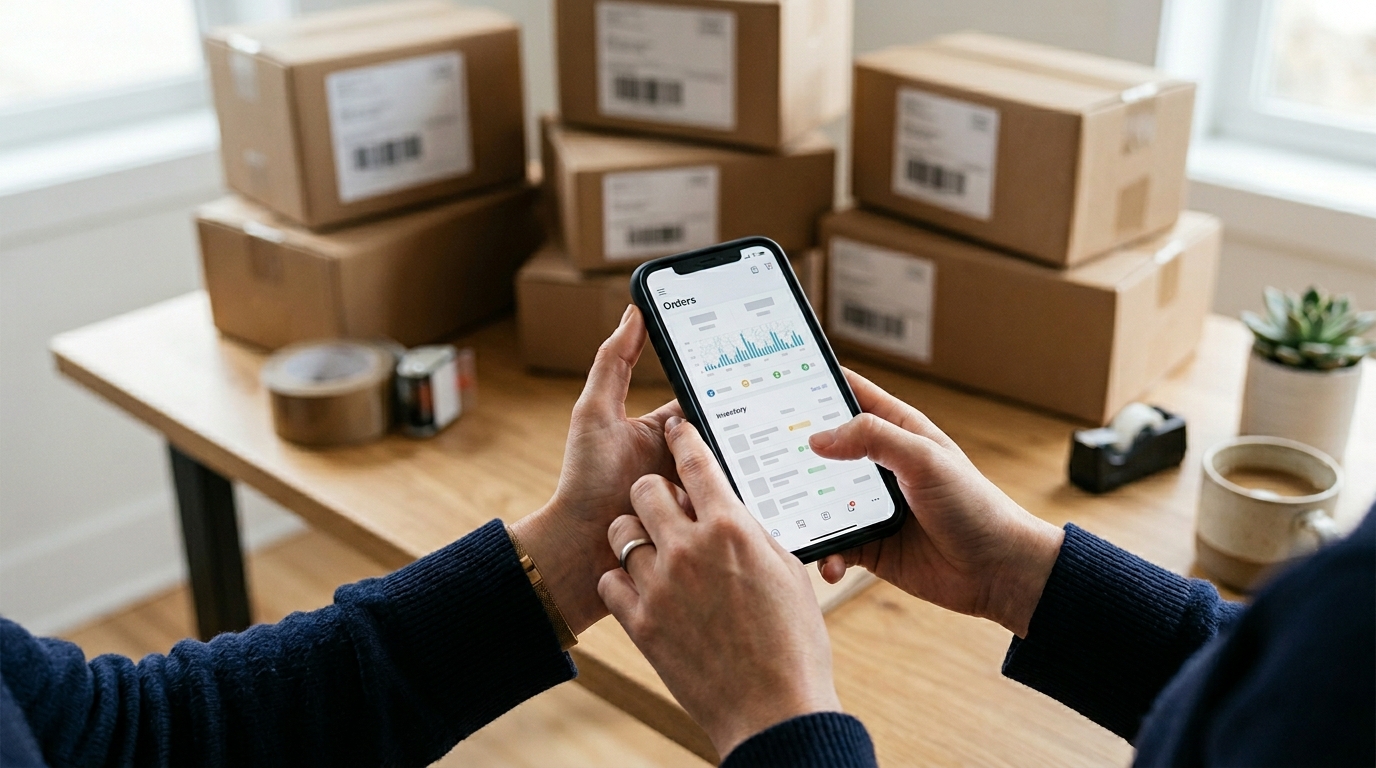
The stores that survive long-term usually create a memorable customer experience. That includes fast responses, accurate orders, clear communication, and helpful support. It also includes the emotional side of buying. People remember how your brand made them feel.
Ecommerce customer experience is not just about solving problems after a sale. It begins before the purchase and continues after delivery. When buyers feel respected and informed, they are more likely to return, recommend your brand, and leave positive reviews. In many markets, that trust becomes a stronger growth engine than paid traffic alone.
You can improve experience by making policies easy to understand, packaging products carefully, and following up after delivery. Small details often create a lasting impression.
Common Mistakes to Avoid
Many beginners make the same errors. They choose products without research, spend too much on branding too early, or launch without a marketing plan. Others ignore customer service, fail to track margins, or underestimate shipping complexity.
The biggest mistake is trying to look successful before building a business that actually works. A clean logo will not save a weak product. A fancy website will not fix poor pricing. Real success comes from solving the right problem in a way customers value enough to pay for.
Conclusion
Learning how to start an ecommerce business is less about finding a secret formula and more about following a repeatable process. The entrepreneurs who succeed usually do the basics better than everyone else. They research carefully, launch with intention, listen to customers, and improve one part of the business at a time.
If you treat your store like a real brand from day one, you give yourself a much better chance of long-term success. Focus on customer needs, keep your operations clean, and make decisions based on data instead of emotion. That mindset turns a simple online store into a business with staying power.
FAQ
1. How much money do I need to start an ecommerce business?
The amount depends on your model, product type, and platform choice. Some stores start with a small budget, while others need more for inventory, branding, and marketing.
2. Do I need experience to launch an online store?
No. Many successful owners begin with little experience. What matters most is learning quickly, testing carefully, and improving based on results.
3. What is the best ecommerce business model for beginners?
A simple model with manageable products, reliable suppliers, and clear margins is usually the easiest place to start. Simplicity helps you learn faster.
4. How do I know if a product is worth selling?
Look for demand, healthy margins, manageable shipping, and customer interest. Research reviews, search trends, and competitor offers before deciding.
5. How long does it take to make sales?
Some stores get early sales within days, while others take longer. Timing depends on product demand, store quality, traffic strategy, and how well the offer matches the audience.
6. Should I start with one product or many?
A focused catalog is usually easier for beginners. It helps you test faster, manage inventory better, and communicate a clearer message to customers.
7. What matters most after launch?
Traffic, conversion, and retention matter most after launch. Keep improving your marketing, store experience, and customer service so the business can grow steadily.