
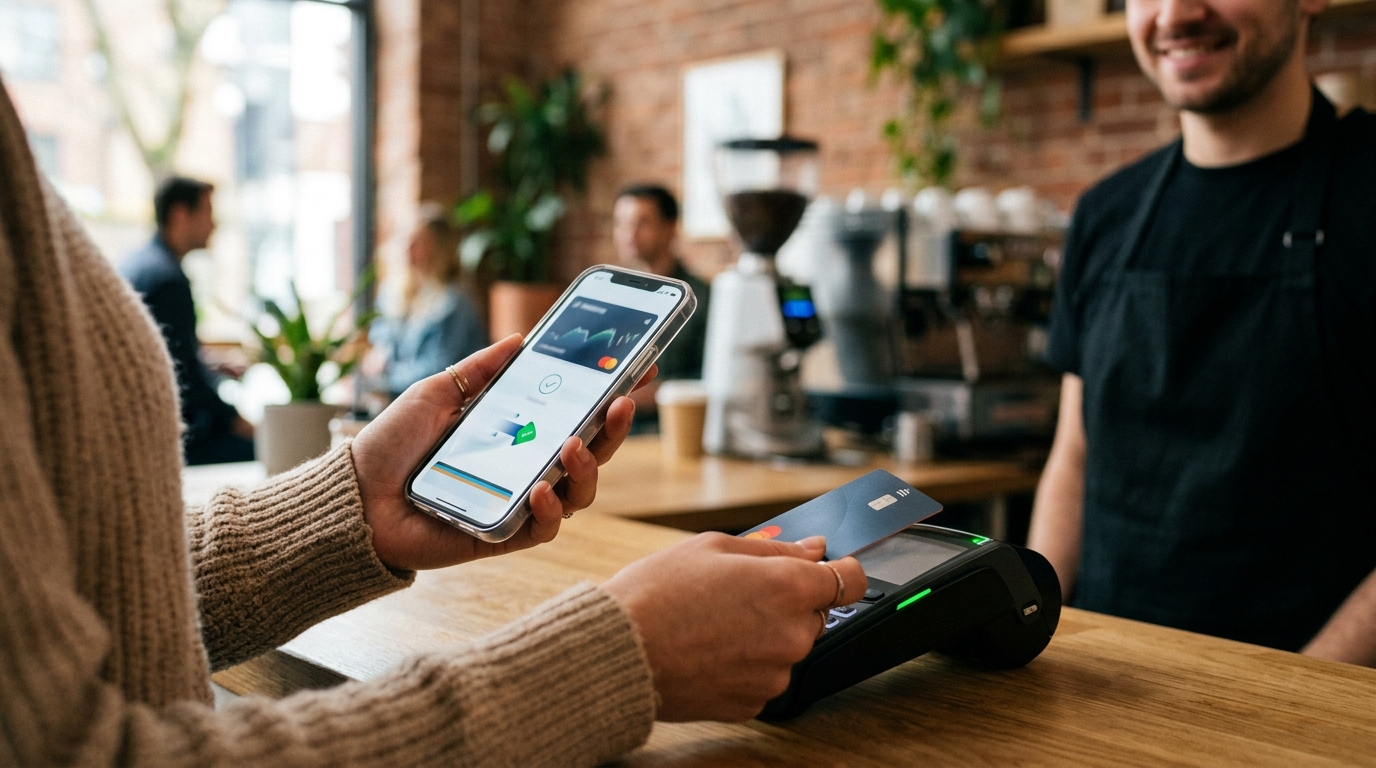
A Digital Wallet to Card Transfer helps people move money faster, reduce waiting time, and access funds with less friction. This guide explains how the process works, why users trust it, and how businesses can improve payouts, reduce confusion, and create a smoother payment experience.
A Digital Wallet has changed the way people store, send, and receive money. Instead of waiting for traditional banking delays, users now expect speed, clarity, and control. That expectation has made Digital Wallet systems central to modern payments. When people need access to funds quickly, they want a solution that feels simple, safe, and immediate. That is why Digital Wallet to Card Transfer has become such an important part of the payment experience.
This topic matters because payment behavior is changing. People no longer think only about whether money can move. They think about how fast it moves, how secure it feels, and how much effort it takes. A Digital Wallet that connects smoothly to a card can reduce anxiety, improve trust, and make financial movement feel effortless. For users, that means convenience. For businesses, it means fewer abandoned actions and better satisfaction.
A strong Digital Wallet strategy is not just about storage. It is about movement, flexibility, and confidence. When someone can shift value from a Digital Wallet to a card without stress, the entire experience feels more modern and more useful. That is the promise behind this guide.
What a Digital Wallet to Card Transfer Means
A Digital Wallet to Card Transfer is the process of moving money from a wallet balance to a linked debit or credit card. In simple terms, the funds leave the Digital Wallet and arrive on a card that can be used for shopping, cash withdrawal, or other payments depending on the issuer and network rules. This creates a bridge between digital value and everyday spending.
Many people search for instant wallet to card payment because they want speed without complexity. They do not want to wait for manual processing or navigate confusing steps. They want a clear path. A Digital Wallet makes that possible when the platform is designed well and the transfer rails support rapid settlement.
The idea is easy to understand but powerful in practice. When a Digital Wallet is connected to card infrastructure, users gain more control over their money. They can move funds when they need them instead of leaving money trapped in one system. That flexibility is one reason Digital Wallet adoption keeps growing across consumer and business use cases.
Why Users Value This Payment Flow
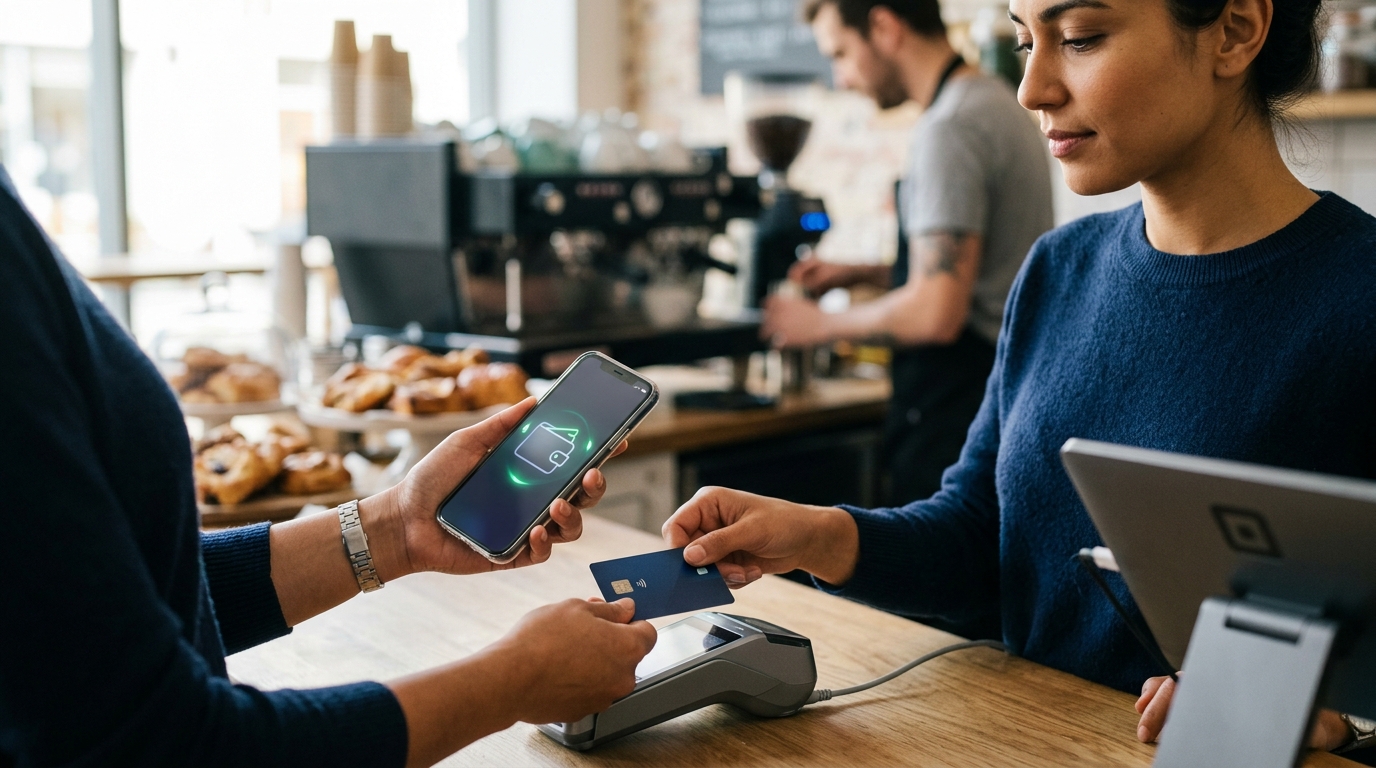
People choose a Digital Wallet to save time, reduce effort, and gain more flexibility. A transfer from wallet to card can help when a user needs to pay a bill, cover a surprise expense, or move money into a more familiar spending method. The emotional benefit is just as important as the technical one. Users feel safer when they know they can access their balance quickly.
A Digital Wallet also creates a sense of control. Instead of depending fully on cash or waiting on traditional bank transfers, users can make decisions in real time. That feeling of control builds confidence. It reduces hesitation. It makes the Digital Wallet feel more useful in daily life.
For many users, the attraction is not just speed. It is certainty. They want to know that money will arrive, that the transfer will be traceable, and that the process will not create extra stress. A well-designed Digital Wallet reduces uncertainty and increases trust, which is exactly why this payment method keeps gaining popularity.
How the Transfer Process Works
In most cases, a Digital Wallet transfer begins when the user chooses a payout or withdrawal option inside the app. The user selects a card, enters the amount, confirms the transaction, and waits for processing. Depending on the platform, the transfer may complete instantly or within a short window.
The technical flow may involve payment rails, card network support, compliance checks, and verification steps. Even though the backend can be complex, the front-end experience should feel simple. That is the key to a strong Digital Wallet product. The user should not need to understand the infrastructure to trust the result.
A Digital Wallet platform may also perform fraud checks before completing the transfer. These checks help protect the user and the provider. They can verify device behaviour, transaction patterns, identity details, and transfer limits. When done well, this security layer protects the user without creating unnecessary friction.
Key Benefits for Consumers
A Digital Wallet gives consumers several practical advantages. The first is speed. The second is convenience. The third is visibility. Users can often see balance updates, transaction status, and transfer history in one place. That transparency matters because financial actions feel better when they are easy to follow.
Another benefit is flexibility. A Digital Wallet can support a variety of use cases, from personal payments to receiving refunds or payouts. When the wallet is connected to a card, the user has more options for using their balance. That makes the system more adaptable to real-life needs.
Trust is also a major benefit. People often feel more comfortable using a Digital Wallet when they can move funds to a card they already know. The card acts as a familiar destination, which lowers the mental barrier to action. That is why the connection between wallet and card matters so much.
Step by Step: How to Transfer Wallet Balance to Card
If you are learning how to transfer your wallet balance to a card, the process usually follows a simple path.
First, open the Digital Wallet app and log in securely.
Second, go to the withdrawal, send, or transfer section.
Third, choose the linked card or add a new one if the platform allows it.
Fourth, enter the amount you want to move.
Fifth, review the fee, timing, and confirmation details.
Sixth, approve the transaction and wait for completion.
That sequence is easy to understand, but the experience should also feel reassuring. A clear Digital Wallet interface reduces mistakes and helps users feel confident before they confirm. If the steps are displayed well, the user is less likely to abandon the process halfway through.
A smooth transfer flow is also good for retention. When people have a positive experience once, they are more likely to use the Digital Wallet again. That repeat behaviour is important because payment products grow through trust and habit.
Real-Time and Instant Payment Expectations
Many users now expect real-time wallet-to-card transfer options. That expectation comes from everyday digital habits. People are used to instant messaging, instant streaming, and instant access to information. Payment systems are now judged by the same standard. A Digital Wallet that delays withdrawals too often risks losing relevance.
Instant payment is not only about impatience. It is about reducing uncertainty. When a user needs money now, even a short delay can feel stressful. A faster Digital Wallet payout improves the emotional experience and makes the platform feel more dependable. That reliability can strengthen customer loyalty over time.
Still, instant processing depends on the provider, network, and compliance model. Some transfers can be completed within minutes. Others require extra review. The best Digital Wallet systems communicate this clearly, so users know what to expect. Clear timing reduces confusion, and clear expectations improve satisfaction.
Security and Trust Considerations
Security is one of the biggest reasons people hesitate before using a new payment flow. That is why secure digital wallet payouts matter so much. Users want to know their money is protected, their identity is verified, and their transaction details are handled responsibly.
A Digital Wallet should use strong authentication, encryption, and fraud detection. It should also explain security features in simple language. When people understand how the system protects them, they are more likely to trust it. That trust becomes a major conversion factor.
A secure experience also depends on design. If a Digital Wallet looks confusing, outdated, or inconsistent, users may worry even if the backend is strong. Good design communicates professionalism. That visual confidence matters because people often judge payment safety in a few seconds.
Why Businesses Should Care
Businesses benefit from a better transfer experience because payouts are part of the customer relationship. If a company can offer digital wallet payout to debit card options, it can reduce wait times and create a more positive perception. That matters in gig work, marketplaces, refunds, affiliate payments, rewards, and many other scenarios.
A strong Digital Wallet system can also lower support requests. When customers understand the payout process, they are less likely to ask where the money is. That saves time for support teams and improves operational efficiency. Better self-service often means better scalability.
From a revenue perspective, payment convenience affects behaviour. If users know they can receive funds quickly, they may engage more often. That is especially true in platforms where timely access to money influences loyalty. A dependable Digital Wallet can become a competitive advantage.
Where This Fits in Modern Fintech
The rise of fintech wallets to card payments reflects a larger shift in consumer expectations. People now want financial tools that are faster, more flexible, and easier to control. A Digital Wallet fits that demand because it combines storage, transfer, and access in one place.
A mobile wallet to bank card transfer can support a wide range of business models. It works well for marketplaces, freelance platforms, gig apps, cashback programs, lending tools, and remittance flows. Each of these use cases depends on trust and timing. When a Digital Wallet handles both well, adoption improves.
This is also where product design matters. A good Digital Wallet must balance simplicity with compliance. It should make transfers easy while still meeting security and verification requirements. That balance is what turns a basic feature into a reliable financial tool.
Common Problems and How to Avoid Them
One of the most common problems is poor communication. Users may not know whether a transfer is pending, completed, or rejected. That creates doubt. A Digital Wallet should always show status updates in plain language.
Another issue is hidden fees. When fees are unclear, users feel misled. A transparent Digital Wallet should show any charge before confirmation. That one change can reduce frustration and build trust.
A third issue is excessive friction. If the form is too long, the steps are unclear, or the card verification is confusing, people may leave before completing the transfer. The best Digital Wallet flows are designed to feel calm, predictable, and easy to finish.
The Role of Cards in User Confidence
Many users feel more comfortable when they can move money into a familiar card environment. That is why card funding from digital wallet systems is so useful. The card gives the user a recognized destination, which lowers resistance and improves confidence.
This matters even more for users who do not want to keep funds inside a Digital Wallet for long. Some people prefer to transfer money out quickly so they can spend it using a card they already use every day. That habit supports card-based spending while still offering digital flexibility.
A Digital Wallet that works well with cards also feels more mainstream. It no longer looks like a separate system. It becomes part of the user’s wider financial routine, which makes adoption easier and repeat use more likely.
A Practical Look at the Payment Journey
A Digital Wallet journey usually begins with trust and ends with convenience. First, the user stores or receives funds. Next, they decide whether to keep the balance or move it. Then, they choose the card destination and confirm the action. Finally, they wait for the transfer result and use the money.
That journey sounds simple, but each step has a psychological effect. If the app feels complicated, the user may hesitate. If the app feels transparent, the user moves forward. That is why an e-wallet to card transaction system should be designed around clarity instead of technical complexity.
A Digital Wallet works best when it reduces thinking. The less effort the user spends figuring out what to do next, the more likely they are to finish the transfer. Ease creates momentum, and momentum creates conversion.
How Businesses Can Improve Conversion
Businesses that want better results should focus on the entire flow, not just the transfer button. First, make sure the Digital Wallet interface is clean and easy to follow. Second, explain timing and fees before confirmation. Third, give users status updates after the request is submitted. Fourth, make support easy to reach.
The same principle applies to copywriting. A Digital Wallet page should answer obvious questions before they become objections. Users want to know how fast the transfer is, whether their card is supported, and whether their money is safe. Clear answers improve confidence.
This is where a digital payment card transfer guide can be useful. When users have a simple explanation of the process, they feel more prepared. Prepared users are more likely to complete the action. That is a small change with a big effect.
When Instant Withdrawal Matters Most
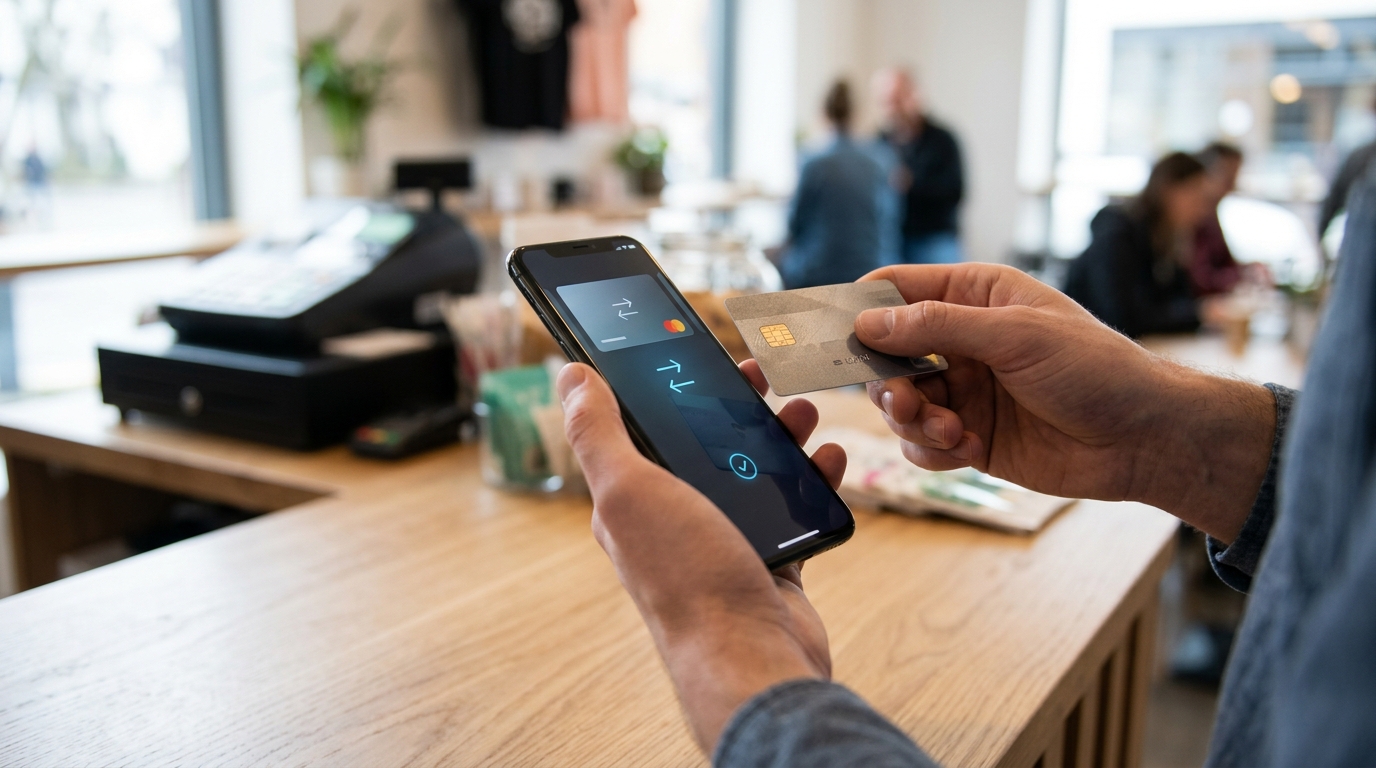
The need for an instant card withdrawal from wallet is often highest during urgent moments. A freelancer may need access to earnings. A shopper may want to move a refund. A creator may want to cash out a balance. In each case, speed changes the emotional experience.
A Digital Wallet that supports fast withdrawal creates relief. It removes the feeling of being stuck. That emotional relief matters because money is not only a technical subject. It is also a trust subject. People want to feel safe when they move funds.
That is why platforms should treat withdrawals as a core service, not an afterthought. The smoother the withdrawal experience, the stronger the overall Digital Wallet value proposition becomes.
Strategic View for the Future
The future of digital payments will likely reward systems that combine speed, trust, and simplicity. Users do not want to manage complexity. They want systems that work. A Digital Wallet that supports quick transfers, clear status updates, and card compatibility will continue to feel valuable.
Businesses should think of this not as a single feature but as part of a larger customer experience. When people can move money without hesitation, they are more likely to stay loyal. A Digital Wallet that respects time and reduces stress earns attention over and over again.
That is the deeper lesson behind the digital wallet to card transfer. It is not just a technical feature. It is a trust-building tool. It helps users feel in control, and control is one of the strongest drivers of payment confidence.
Conclusion
A Digital Wallet to Card Transfer gives users the freedom to move money with speed, confidence, and less friction. It connects digital convenience with familiar card-based spending, which makes financial access feel more natural. For consumers, that means more control over funds. For businesses, it means better retention, fewer support issues, and a stronger payment experience. The best systems focus on clarity, safety, and ease from start to finish. When a Digital Wallet is designed well, it becomes more than a place to store money. It becomes a dependable bridge between balance and action, helping people use their funds the moment they need them.
FAQ
1. What is a Digital Wallet to Card Transfer?
It is the process of moving money from a Digital Wallet balance to a linked debit or credit card so the funds can be used more flexibly.
2. Is an instant wallet for card payments always available?
Not always. Speed depends on the provider, card network, compliance checks, and the transfer method used by the Digital Wallet.
3. How do I transfer money from wallet to card?
Open the Digital Wallet, choose the transfer or withdrawal option, select the card, enter the amount, review the details, and confirm.
4. Is a digital wallet payout to a debit card safe?
It can be safe when the Digital Wallet uses strong authentication, encryption, and fraud controls.
5. What affects card funding from digital wallet?
Processing time, card type, network support, verification checks, and platform rules can all affect the transfer.
6. Can I use a mobile wallet to bank card transfer internationally?
Sometimes, but availability depends on country rules, the Digital Wallet provider, and the card network.
7. Why does my instant card withdrawal from wallet take time?
The transfer may be delayed by security review, card issuer timing, or processing limits.
8. What makes secure digital wallet payouts important?
They protect user funds, reduce fraud risk, and improve trust in the payment experience.
9. How can businesses improve the e-wallet to card transaction system?
They should simplify steps, explain fees clearly, show status updates, and reduce unnecessary friction.
10. Why does a Digital Wallet matter for instant payout from digital wallet use cases?
Because it gives users quick access to money, improves satisfaction, and makes the platform feel more reliable.