
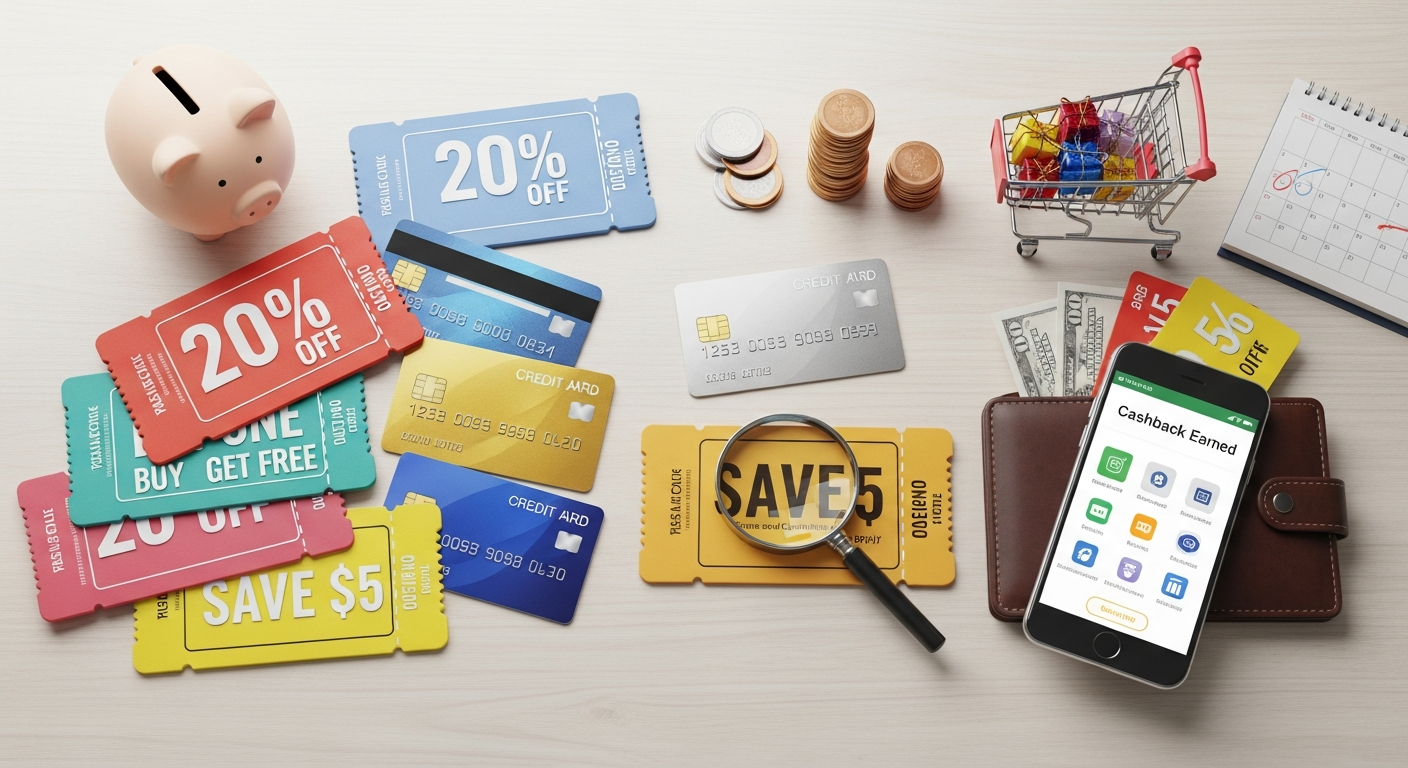
Cashback coupons help shoppers earn money after purchases by using affiliate links and reward systems. By combining offers, choosing the right platforms, and avoiding common mistakes, users can maximize savings and turn everyday online shopping into a consistent financial benefit.
Everyone loves finding a good deal when shopping online. The thrill of seeing a total price drop at checkout is universally satisfying. Yet, millions of shoppers routinely miss out on a secondary layer of savings that happens after the purchase is complete. Cashback discount coupons and online cashback offers provide a straightforward way to put money back into your wallet simply by changing how you start your shopping journey.
Retailers understand that acquiring new customers and retaining existing ones requires incentives. Instead of just offering a standard discount code, many brands partner with affiliate networks and cashback portals to reward you with actual cash. This model creates a winning scenario for everyone involved. The store gets a sale, the cashback site earns a commission, and you receive a percentage of that commission as a reward.
Understanding Cashback Discount Coupons
Cashback isn’t a new concept, but the digital age has revolutionized how we access and claim these rewards. Initially popularized by credit card companies, the model has expanded massively into the retail sector through dedicated websites, browser extensions, and mobile apps.
How Do Cashback Coupons Work?
At its core, a cashback offer operates as an affiliate marketing agreement. When you click a link from a cashback website or activate a browser extension before buying something, a tracking cookie is placed on your device. This cookie alerts the retailer that the cashback portal sent you.
Once your purchase is verified, the retailer pays the portal a referral fee. The portal then shares a portion of that fee with you. Unlike traditional coupons that reduce the upfront price of an item, cashback rewards accumulate in a dedicated account and are paid out to you at a later date, usually via PayPal, direct bank transfer, or gift cards.
Different Types of Cashback Offers
You will encounter several variations of cashback rewards as you shop online.
Flat-rate cashback offers give you a specific dollar amount back when you purchase a qualifying item or reach a minimum spend threshold. Percentage-based cashback is more common, rewarding you with a set percentage of your total purchase price (excluding taxes and shipping).
Additionally, some platforms offer hybrid rewards, combining immediate discount coupons at checkout with a percentage of cashback applied to your account post-purchase. Knowing which type of offer applies to your cart helps you calculate exactly how much you are actually spending.
Maximizing Your Online Cashback Offers
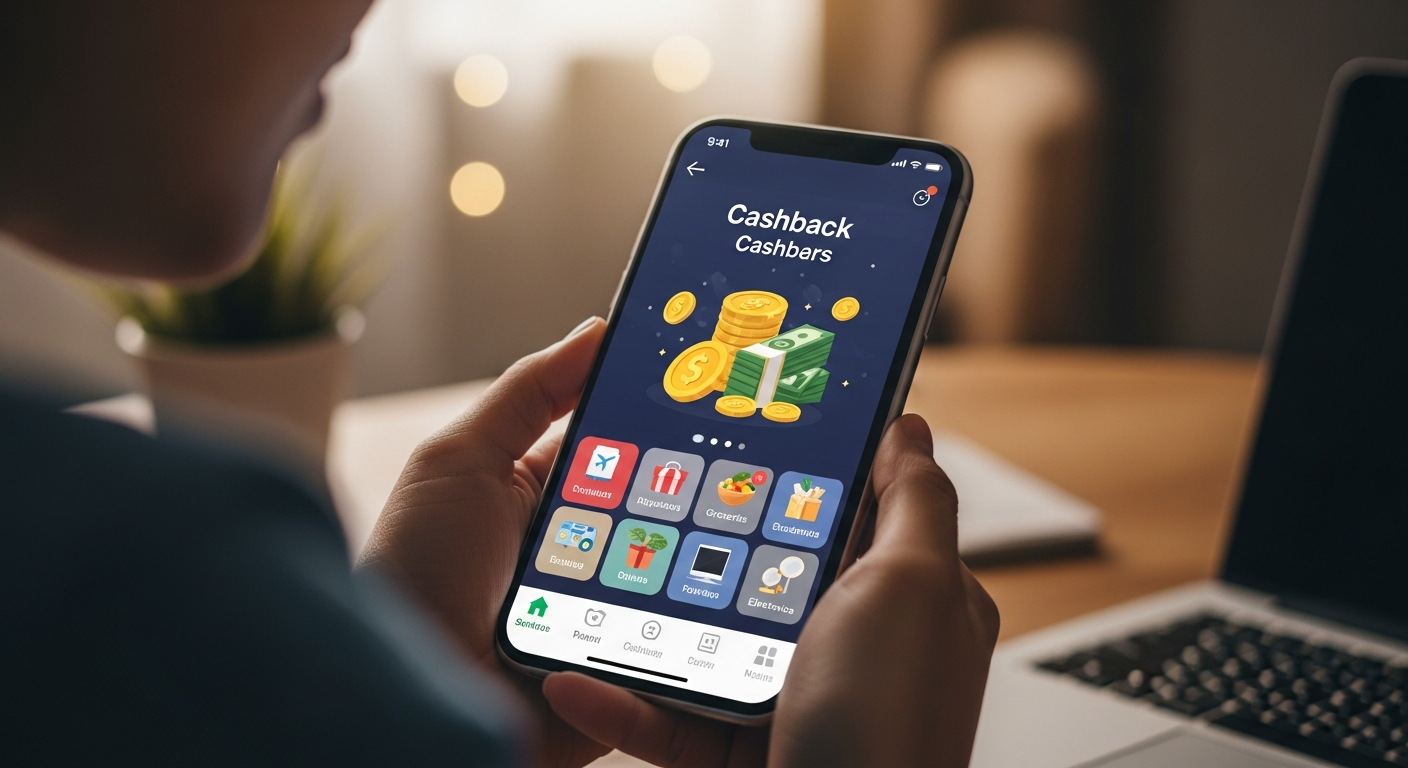
Earning a few dollars here and there is nice, but strategic shoppers know how to multiply those returns. Maximizing your online cashback offers requires a bit of planning and an understanding of reward stacking.
Stacking Rewards for Bigger Savings
Stacking involves using multiple saving methods on a single transaction. You might start by clicking through a cashback portal to earn 5% back on your purchase. Then, you apply a store-specific promo code at checkout for 20% off the retail price. Finally, you pay using a rewards credit card that offers an additional 2% cash back on all purchases.
By combining these methods, you significantly lower the effective cost of your items. Always read the terms and conditions, as some retailers prohibit the use of external promo codes in conjunction with cashback offers.
Choosing the Right Cashback Portal
Not all cashback portals are created equal. Some excel in travel bookings, while others dominate fashion and electronics. Payout rates fluctuate frequently, meaning a retailer might offer 3% back on one site and 10% back on another on the same day.
Creating accounts on multiple reputable platforms allows you to compare rates before making a large purchase. Look for platforms that offer sign-up bonuses, referral rewards, and low minimum payout thresholds.
Common Pitfalls and How to Avoid Them
While earning money back on purchases is exciting, the system is not without its quirks. Shoppers occasionally run into issues where cash fails to track or payouts are delayed.
Tracking Failures and Browser Issues
The most common reason a cashback offer fails to register is interference from ad blockers or strict privacy settings on your browser. Because cashback relies on tracking cookies, blocking those cookies breaks the chain of communication between the store and the portal.
To prevent this, consider using a dedicated browser solely for online shopping with ad blockers disabled. Always complete your purchase in the same tab that opened when you clicked the cashback link, and avoid navigating away to search for promo codes mid-transaction. Learn more about the Cashback Rewards Guide.
Payout Thresholds and Hidden Fees
Many platforms require you to accumulate a certain amount of cash before you can request a withdrawal. If a site has an unusually high payout threshold, it might take you a year to actually see your money. Review the platform’s payment policies carefully. Reputable sites offer transparent payout schedules—often sending funds quarterly or upon reaching a low $5 to $10 minimum—without charging withdrawal fees.
Best Times to Use Cashback Offers
Timing matters when using cashback deals. Major sales events like Black Friday, Cyber Monday, and seasonal promotions often feature boosted cashback rates. Planning purchases during these periods can significantly increase your overall savings.
In addition to global shopping events, many cashback platforms run limited-time campaigns where specific retailers offer double or even triple cashback. These promotions are often aligned with back-to-school sales, end-of-season clearances, and festive holidays. Subscribing to cashback platform newsletters or enabling notifications ensures you never miss these high-reward windows. Smart shoppers often delay non-urgent purchases until these peak periods to maximize returns without increasing spending.
Mobile Apps vs Desktop Cashback Shopping
Cashback apps offer convenience, but desktop browsing often tracks purchases more reliably. Some deals are exclusive to apps, while others work better via browser extensions. Knowing when to use each platform helps avoid missed rewards.
Mobile apps are ideal for quick purchases and in-store cashback activation, especially when linked with your payment card. On the other hand, desktop browsers provide better visibility of terms, conditions, and cashback rates, reducing the risk of errors. Browser extensions can automatically alert you to available cashback offers, making the process seamless. Using both platforms strategically ensures you benefit from maximum coverage and improved tracking accuracy.
Cashback for Travel and Subscriptions
Many cashback platforms provide strong rewards for travel bookings, streaming services, and subscription plans. These recurring or high-value purchases can generate larger cashback amounts compared to everyday shopping.
Flights, hotel reservations, and vacation packages often come with higher cashback percentages due to their larger transaction values. Similarly, subscriptions such as streaming services, software tools, and membership plans provide consistent cashback over time. Even small recurring payments can add up significantly over months. By routing these regular expenses through cashback portals, users can turn routine spending into a long-term savings strategy.
Referral and Bonus Opportunities
Most cashback sites offer referral bonuses when you invite friends. Combined with sign-up incentives and seasonal promotions, these bonuses can quickly boost your earnings without additional spending.
Referral programs typically reward both the inviter and the new user once certain conditions are met, such as completing a qualifying purchase. Some platforms also introduce milestone bonuses, where users earn extra rewards after referring multiple people. Seasonal campaigns may further increase referral payouts, making it an excellent opportunity to maximize earnings. Sharing referral links through social media, blogs, or personal networks can turn cashback into an additional passive income stream over time.
Start Earning While You Spend
Taking advantage of cashback discount coupons and online cashback offers requires very little effort but yields substantial rewards over time. By incorporating these tools into your regular shopping habits, you establish a smarter way to manage your expenses.
Start by signing up for one or two highly rated cashback portals and installing their browser extensions. Before your next online checkout, take five seconds to activate the reward. You will soon see those small percentage returns snowball into meaningful cash savings.
10 Frequently Asked Questions About Cashback Offers
1. Are cashback websites safe to use?
Yes, reputable cashback websites are entirely safe. They do not require your credit card information to award you cash; they only need a way to pay you, such as a PayPal email address. Always stick to well-known platforms with positive user reviews and avoid sites that ask for unnecessary personal or financial details.
2. Can I use a cashback offer and a discount coupon at the same time?
In most cases, yes. However, you must use discount codes provided directly by the cashback portal or the retailer. Using unauthorized coupon codes found on third-party forums can occasionally invalidate the tracking link, resulting in the retailer declining the cashback commission.
3. How long does it take to receive my cashback?
Timelines vary by platform and retailer. Usually, the cashback appears as “pending” in your account within 48 hours of your purchase. It can take anywhere from 30 to 90 days for the funds to become “payable.” This delay accounts for the retailer’s return policy, ensuring you don’t return the item after claiming the cash reward.
4. What happens if I return an item I earned cashback on?
If you return an item for a refund, the retailer will cancel the commission paid to the cashback portal. Consequently, the portal will remove the corresponding pending cashback from your account. If you only return part of an order, the cashback is typically adjusted to reflect the new purchase total.
5. Do cashback browser extensions slow down my computer?
Modern cashback browser extensions are lightweight and designed to run quietly in the background without significantly impacting your computer’s performance. They only activate when you visit a supported retailer’s website, alerting you to available rewards.
6. Are there fees associated with withdrawing my earnings?
Top-tier cashback portals do not charge fees for withdrawing your money via standard methods like PayPal, direct deposit, or e-gift cards. If a platform tries to charge you a hefty fee to access your own rewards, it is best to find an alternative service.
7. Why didn’t my online purchase track properly?
Tracking failures happen for a few reasons: an active ad blocker prevented the cookie from loading, you clicked another affiliate link after activating the cashback offer, or you completed the purchase on a mobile app instead of the mobile browser. Submitting a missing cashback claim through the portal’s support team often resolves the issue.
8. Is the money earned from cashback considered taxable income?
In many jurisdictions, cashback earned from purchases is treated as a discount on the item rather than taxable income. However, sign-up bonuses or referral bonuses for inviting friends might be considered taxable. It is always best to consult a local tax professional regarding your specific situation.
9. Can I earn cashback on in-store purchases?
Yes. Many platforms now offer card-linked programs. You securely link your credit or debit card to the cashback app, activate specific store offers, and shop locally as usual. The app tracks the transaction through the credit card network and automatically credits your account.
10. Does earning cashback affect my credit score?
No, using online cashback shopping portals has absolutely no impact on your credit score. These platforms are completely separate from credit lending. Using a rewards credit card to make the purchase is the only aspect tied to your credit, and standard credit card rules apply there.
Conclusion
Cashback discount coupons offer a simple yet powerful way to make your money work harder during everyday shopping. Instead of settling for one-time discounts, you can build a steady stream of savings by choosing the right platforms, stacking rewards, and shopping strategically. While occasional tracking issues or payout delays can occur, these are manageable with the right approach and awareness. Over time, even small cashback percentages can add up to meaningful returns. By making cashback a regular part of your online shopping routine, you shift from being a passive buyer to a smart, reward-focused consumer who benefits from every purchase made.