
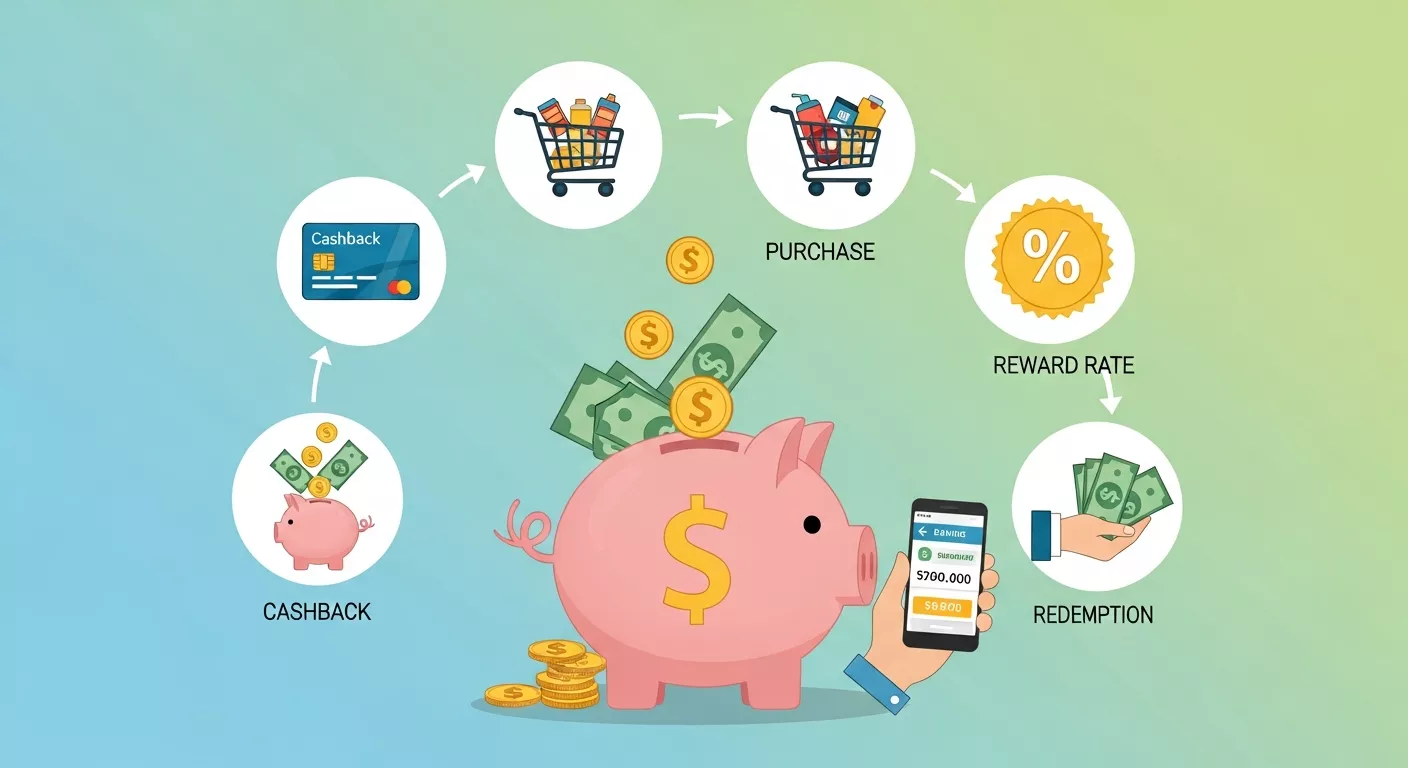
Cashback rewards help users save money by earning back a percentage of their spending through cards, apps, and platforms. This guide explains how cashback works, best strategies, tools, and ways to maximize savings across shopping, travel, and everyday purchases.
Cashback rewards have become one of the most practical and popular ways to save money in modern shopping, banking, travel, and everyday spending. The idea is simple: when you spend money through a credit card, a cashback app, an online cashback platform, or a loyalty rewards program, you receive a portion of that spending back. That returned value may appear as cash, statement credit, wallet balance, reward points, or future discounts. What makes cashback rewards powerful is not only the direct savings, but also the way they can be combined with other discounts, coupons, loyalty offers, and spending strategies.
For many users, cashback rewards are the easiest reward system to understand. Unlike complicated loyalty structures that require converting points or miles into value, cashback usually provides a direct and visible benefit. A user spends, earns, and redeems. That straightforward process has made cashback one of the strongest value-based systems for shoppers, travelers, cardholders, and digital consumers.
Today, cashback rewards are no longer limited to credit cards. The ecosystem now includes online cashback offers, mobile cashback apps, cashback rewards platforms, shopping portals, vendor incentive systems, travel booking rewards, grocery cashback rewards, and even cashback savings programs that are designed to optimize daily purchases. This means that consumers can earn rewards from many categories of spending, often at the same time.
What Cashback Rewards Really Mean
Cashback rewards are a type of incentive where a percentage of a purchase is returned to the customer after the transaction. That percentage may be fixed, category-based, promotional, or tied to a specific platform. Cashback can come from banks, card issuers, online shopping portals, mobile apps, travel booking platforms, or merchants directly.
At the most basic level, cashback rewards turn spending into partial savings. A purchase that would normally be a cost becomes partly offset by a reward. For example, if you buy groceries with a cashback credit card and earn a percentage back, your actual net cost is reduced. If you shop online through a cashback rewards platform, you may receive a reward after the transaction is tracked and validated. If you book flights or hotels through a loyalty cashback system, your travel expense may also create future savings.
What makes cashback attractive is its flexibility. Some people prefer cards with cashback rewards because they want simple, automatic value on every transaction. Others prefer online cashback offers because they can stack coupons, promo codes, and reward portals. Some users focus on grocery cashback rewards or travel cashback rewards because they want to maximize the categories where they already spend the most. Others prefer flat rate cashback cards because they do not want to track rotating categories. The cashback world is broad enough to suit different lifestyles and spending habits.
The important idea is that cashback is not just a discount. It is a structured value return system. The purchase still happens, but a percentage of the amount returns to the customer in a measurable way.
How Cashback Rewards Work
Understanding how cashback rewards work is the first step toward using them effectively. Although systems vary by platform, the process usually follows a similar logic.
A purchase is made through a qualifying card, app, platform, or merchant. The system recognizes the transaction and calculates the cashback amount based on the reward rate, category, campaign, or partner agreement. The cashback is then credited to the account, tracked in the rewards dashboard, or added to a statement balance. Later, the user can redeem cashback points or request payout depending on the platform’s rules.
The mechanics may sound simple, but the details matter. Some cashback systems pay rewards instantly, while others require a waiting period for purchase verification or return windows. Some cards give a flat rate on all purchases, while others offer higher value in selected categories such as groceries, dining, or travel. Some online cashback offers only work when the purchase is started from a partner portal. In a cashback savings program, the reward may accumulate over time and be redeemed only when a threshold is reached.
Most cashback models rely on three elements: spending, tracking, and redemption. Spending creates the transaction. Tracking verifies the reward. Redemption converts the reward into usable value. If any of those steps fail, the cashback may be delayed, reduced, or lost.
For that reason, users who want to maximize cashback savings should not only look at the reward percentage. They should also look at conditions, exclusions, expiration rules, redemption timelines, and whether the program supports the spending habits they already have.
Why Cashback Rewards Are So Popular
Cashback rewards remain popular because they are easy to understand and easy to use. A person does not need to study complex charts or learn how to transfer points into travel partners. They just spend and receive value back. That simplicity makes cashback useful for beginners and experienced shoppers alike.
Another reason cashback is popular is transparency. Reward points can be confusing because their real-world value may vary. Cashback tends to be clearer. If a system gives 5% cashback, the user generally understands the benefit immediately. That clarity creates trust.
Cashback is also flexible. It can be used by people who prefer shopping rewards, by travelers who want travel cashback rewards, by grocery shoppers who want recurring savings, and by online shoppers who combine cashback discount coupons with portal rewards. Since the reward can be applied to many categories, cashback fits naturally into everyday life.
There is also a psychological advantage. Users feel like they are getting something back from spending they already planned to do. When cashback is consistent, it can make budgeting feel more rewarding and less wasteful. Over time, that feeling helps people stick with the program and develop better spending habits.
Cashback Rewards vs Reward Points
The debate over reward points vs cashback comes up often because both systems offer value, but they do so in different ways.
Reward points usually function as a currency inside a closed program. The user collects points and later redeems them for travel, shopping, gift cards, merchandise, or statement credits. The value may depend on the redemption method, which can make the system more complex. Some users get excellent value from points, while others redeem at a lower rate than expected.
Cashback is simpler. Instead of collecting points that must later be converted, cashback usually returns direct monetary value. That makes it easier to compare with real spending. A 2% cashback program means something concrete. A point-based reward may look higher on paper but produce less practical value when redeemed.
For many people, cashback wins because of convenience and clarity. It is easier to budget with cashback because the value is visible. However, reward points can sometimes be more powerful for users who travel often, maximize premium redemptions, or use special transfer partners. The better option depends on the person’s financial habits.
If a user wants simple, predictable savings, cashback usually makes more sense. If a user is willing to study the system carefully and use advanced redemptions, points might produce higher upside. But for most everyday shoppers, cashback remains the most straightforward choice.
Cards with Cashback Rewards
Cards with cashback rewards are among the most popular tools for everyday savings. These cards allow cardholders to earn cashback on purchases automatically as they spend. Depending on the card, the reward may be flat, category-based, or promotional.
Flat rate cashback cards are the easiest to use. They offer the same percentage on most or all purchases, which makes them ideal for users who do not want to manage rotating categories. A flat rate model may be slightly lower than some category bonuses, but it compensates with simplicity and consistency.
Category-based cashback cards offer higher returns in selected spending areas. For example, a user may earn more on groceries, travel, dining, gas, or online shopping. These cards are useful when spending aligns with the reward structure. If you spend heavily on groceries, grocery cashback rewards can be especially valuable. If you travel often, travel cashback rewards may produce better annual value than a general-purpose card.
Another style of cashback card is the rotating category model. A well-known example is the Discover card cashback rewards calendar, where categories may change each quarter. Users who activate the category and plan spending around it can earn more during promotional periods. This model can be very rewarding, but it requires attention and planning.
The best cashback card is not necessarily the one with the highest headline rate. It is the one that matches real spending patterns. A user who buys groceries, pays bills, and shops online frequently should compare cards based on those actual habits rather than a theoretical maximum.
Discover Card Cashback Rewards and Category Calendars
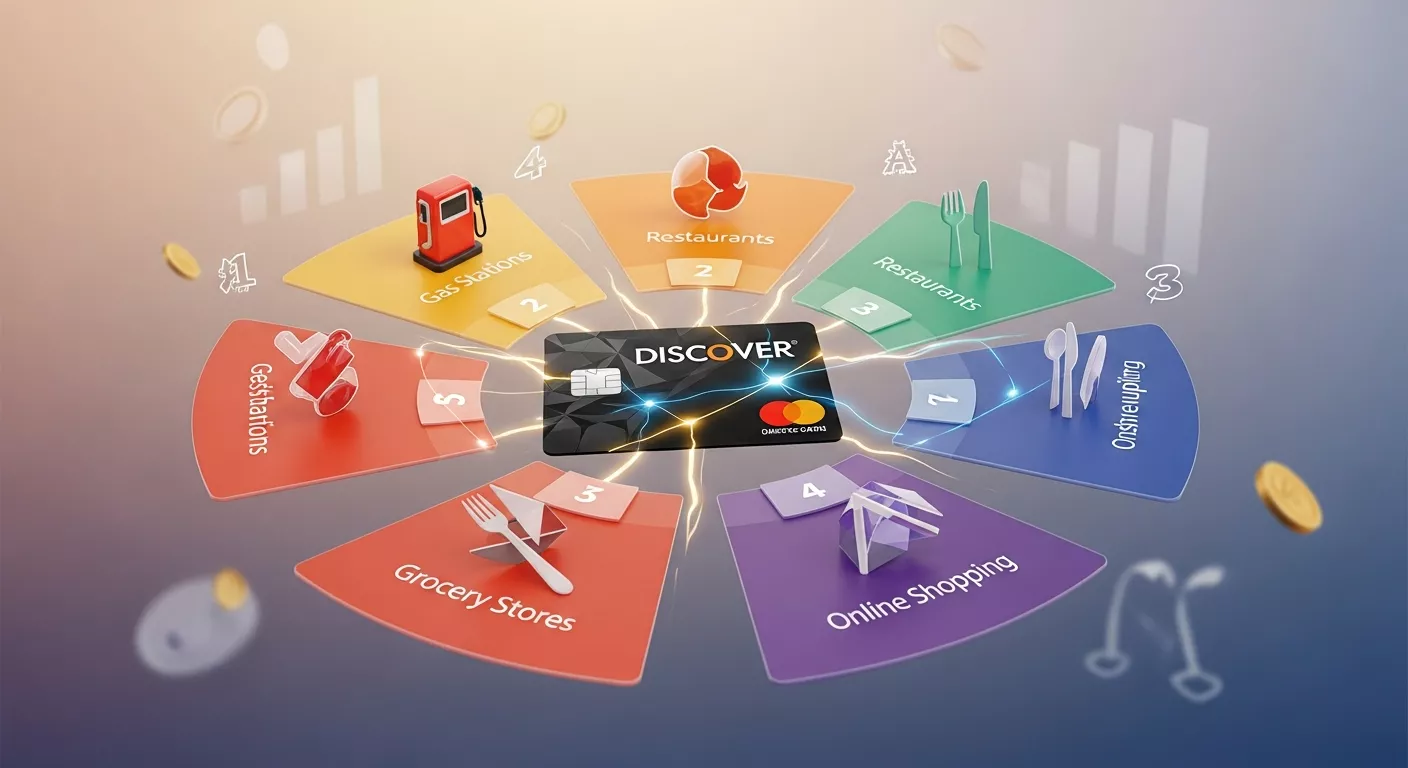
Discover card cashback rewards are often discussed because the Discover model is built around structured reward categories and activation periods. The cashback calendar concept matters because it allows users to earn higher rewards during selected times of the year.
A cashback calendar typically lists the categories that qualify for elevated rewards during a specific period. These categories may include gas, restaurants, grocery stores, online shopping, or other common spending areas. Users who understand the calendar can plan purchases more strategically and improve their returns.
The advantage of a rotating calendar is that it can increase reward potential for people who are flexible. The disadvantage is that the user must remember to activate categories and time spending correctly. If someone forgets to activate a quarter or misses the relevant shopping window, they may lose the higher rate and receive only the base amount.
For that reason, category-based cashback cards work best for users who like structure. They are not ideal for people who want a passive set-it-and-forget-it system. Still, for users willing to track dates, calendars, and category changes, the returns can be strong.
The main lesson is this: category-based cashback can outperform simple flat-rate cards, but only when the user stays organized.
Flat Rate Cashback Cards
Flat rate cashback cards are popular because they remove the need to think about categories. A fixed percentage is earned on most purchases, and that makes the card easy to carry and easy to use. People who do not want to manage complex rules often prefer this model.
The biggest benefit of flat rate cashback cards is predictability. Whether the user buys groceries, pays for online subscriptions, or purchases travel services, the reward structure is usually the same. This helps with budgeting because the user can estimate reward value more easily.
Flat rate cards are also useful for people whose spending is spread across many categories. If no single category dominates the budget, a general cashback card may outperform a specialized card because it captures value consistently. For example, a person who spends moderately on groceries, travel, shopping, and dining may not gain enough from rotating bonuses to justify the extra management.
The downside is that flat rate cards may not maximize the return in any one category. A focused spender who buys a lot of groceries or books a lot of travel might earn more with a category card. Still, flat rate cards remain a strong default option for simplicity and everyday utility.
Grocery Cashback Rewards
Grocery cashback rewards are among the most useful forms of cashback because groceries are a regular, predictable expense for many households. When a reward system applies to a category people already buy from frequently, the savings can add up quickly.
These rewards may come from credit cards, grocery-specific promotions, online cashback offers, or mobile cashback apps. Users who consistently buy groceries with a cashback-friendly payment method can turn a routine expense into a recurring saving opportunity.
The key to grocery cashback success is to avoid overcomplicating the system. A grocery card or cashback app should fit into a normal shopping routine. If the reward requires unusual spending or unnecessary purchases, the program may create false savings. The real goal is to reward existing grocery spending, not to encourage overspending.
Users can also combine grocery cashback with cashback discount coupons or online cashback rewards when buying groceries through delivery platforms or digital marketplaces. This stacking approach can create more savings than one reward channel alone.
Travel Cashback Rewards
Travel cashback rewards are particularly valuable because travel spending can be large and concentrated. Flights, hotels, booking platforms, airport services, and travel packages often represent high-value transactions, which means even a small cashback percentage can produce a meaningful return.
Travel cashback rewards may appear through cashback credit card rewards, travel portals, airline-related platforms, hotel booking sites, or loyalty programs that support flight hotel packages. Some cashback rewards platforms are specifically designed to connect travel merchants with consumers so that bookings can generate cashback automatically.
Travel cashback is especially attractive for people who travel often for business or leisure. If a traveler regularly books flights and hotels, the rewards can accumulate quickly. The more expensive the trip, the more visible the cashback value becomes.
However, travel cashback also requires caution. Users should always compare the cashback value against the actual base fare, cancellation policies, and hidden fees. A deal may look attractive because it offers cashback, but if the travel service is overpriced or inflexible, the net value may be weaker than a cheaper non-cashback option.
Cashback Discount Coupons and Online Cashback Offers
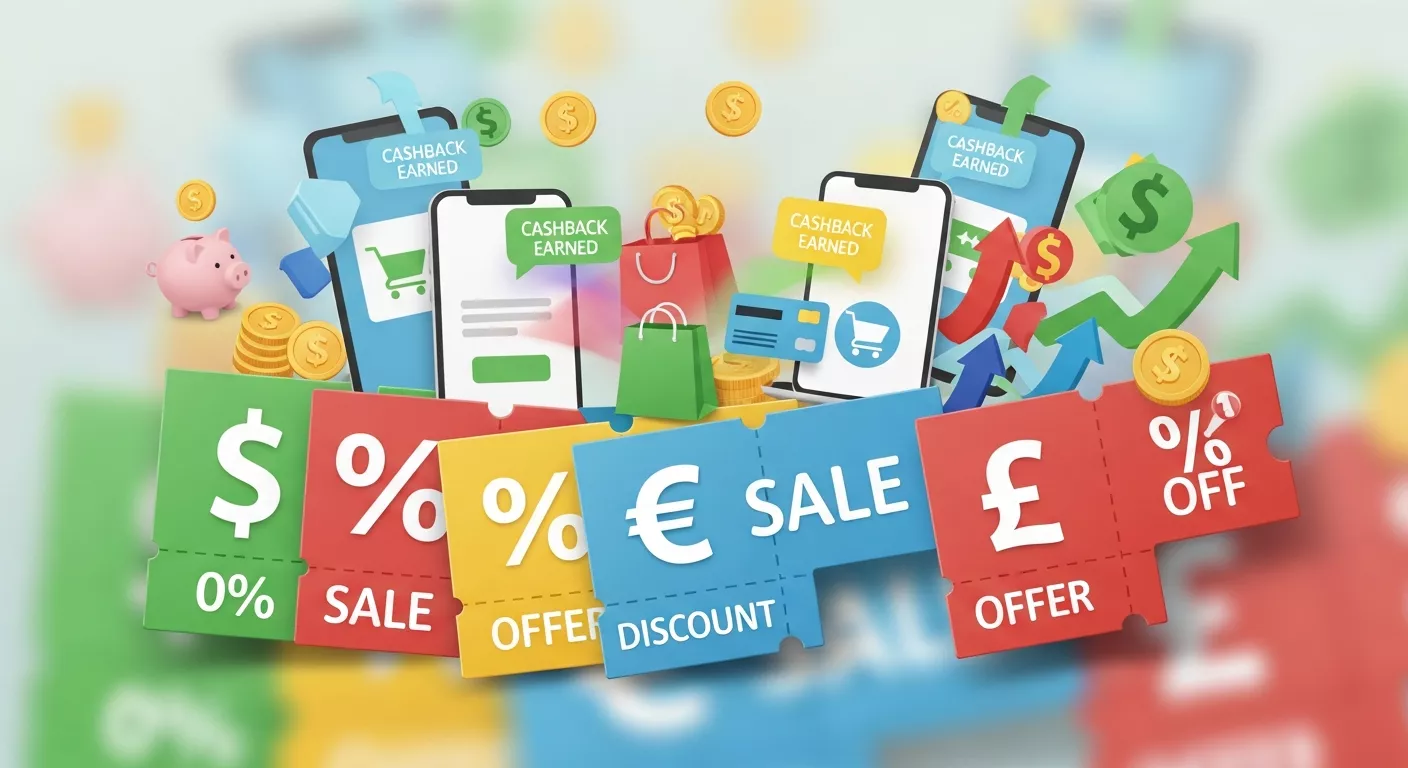
Cashback discount coupons and online cashback offers create a powerful combination for shoppers who want to maximize value. Coupons reduce the purchase price immediately, while cashback returns a percentage after the transaction. When used together, the user may save twice on the same purchase.
This combination is especially common in online shopping. Many platforms allow users to apply a coupon code and then complete the purchase through a cashback portal or rewards app. The result is a lower upfront cost plus a delayed cashback return. For smart shoppers, this is one of the most effective ways to maximize savings.
The best ways to combine coupons cashback rewards online involve checking the order of operations. Some stores allow coupons first, cashback second. Others may restrict the use of certain promo codes if the purchase is made through an external cashback portal. That means the user must understand the platform’s rules before stacking offers.
The challenge is that not every deal can be combined. Some merchants exclude certain items, categories, or promo codes from cashback eligibility. Still, when stacking is allowed, it can significantly improve total savings.
Cashback Deals on Shopping
Cashback deals on shopping are one of the easiest ways for consumers to earn value from purchases they already planned to make. Instead of searching for isolated discounts, users can build a system around repeated shopping behavior.
Retailers may offer cashback to attract new customers, encourage repeat purchases, or increase average order size. Cashback rewards platforms may also highlight special promotions on clothing, electronics, household goods, or subscription services. These deals can change frequently, which is why users often benefit from cashback tracking tools and notifications.
The challenge is to separate useful deals from marketing noise. A good cashback deal is one that rewards a product or purchase the user genuinely needs. A bad deal is one that tempts a user to buy unnecessary items just to receive a reward. Spending and cashback optimization should improve financial efficiency, not create waste.
When used wisely, shopping cashback can make daily buying habits more affordable without reducing quality or convenience.
How to Redeem Cashback Points
Redeeming cashback points or cashback balances is the final step that turns earned rewards into actual value. The redemption process varies by platform, card issuer, or rewards system.
Some programs automatically issue statement credit. Others allow users to transfer earnings to a bank account, digital wallet, or payment card. Some cashback apps for savings let users cash out once they reach a minimum balance. In loyalty systems, redemption may happen through shopping credits, travel credits, or direct discounts on future purchases.
A strong cashback redemption process should be simple, transparent, and timely. If redemption is too complicated, too slow, or too limited, the program becomes less attractive. Users should check whether rewards expire, whether there are minimum thresholds, and whether redemption requires fees or delays.
The best practice is to treat cashback as real money and redeem it strategically. Some users prefer to redeem regularly to keep the value visible. Others wait until they reach a meaningful threshold. The right approach depends on the platform and the user’s financial habits.
Cashback Earning Strategies
Cashback earning strategies are the methods users apply to increase the amount of reward they receive over time. The goal is not just to earn cashback, but to earn it efficiently.
One common strategy is category matching. Users select a card or platform that fits their most frequent expenses, such as groceries, travel, or online shopping. Another strategy is stacking, which means combining coupons, cashback portals, and rewards cards in the same transaction when allowed.
A third strategy is rotating category planning. Users with calendar-based cards monitor the reward schedule and shift purchases into the highest-value periods. A fourth strategy is merchant selection. Some users choose sellers or booking platforms based on whether they offer better cashback opportunities.
Users may also combine multiple systems. A person could use a cashback card, shop through a cashback portal, and redeem on a platform that supports loyalty cashback rewards. This layered approach can improve returns, but it also requires discipline and tracking.
The key is consistency. Cashback only creates meaningful savings when the user repeatedly uses a system that fits normal spending.
Maximize Cashback Savings Without Overspending
It is possible to maximize cashback savings and still overspend if the strategy is not careful. A strong cashback system should lower net spending, not encourage unnecessary buying.
To maximize savings safely, users should focus on purchases they were already planning to make. Groceries, transportation, travel, subscriptions, and household needs are better cashback targets than impulse purchases. The more natural the purchase, the better the savings.
Users should also keep track of cashback percentage versus product price. A tiny reward on a large overpriced purchase may still be worse than a lower reward on a good-value item. Savings come from the combination of purchase quality and reward rate.
Another important habit is to avoid chasing every cashback offer. Too many offers can lead to confusion and wasted time. It is better to build a manageable system around a few reliable platforms than to jump between too many promotions.
If a user consistently chooses good-value purchases, tracks rewards, and redeems intelligently, cashback can become a meaningful part of their budgeting strategy.
Cashback Rewards Platforms
Cashback rewards platforms are digital systems that connect consumers with merchants, payment methods, and reward engines. These platforms may support online cashback offers, shopping rewards, travel rewards, vendor partnerships, or loyalty cashback rewards.
The purpose of such platforms is to make reward earning easier and more automatic. Instead of manually negotiating discounts, the platform tracks transactions and credits rewards when eligible purchases occur. This helps users earn value from regular activity without extra effort.
The most useful cashback rewards platforms usually provide clear dashboards, merchant lists, reward histories, redemption options, and support for linked cards or accounts. Some platforms also feature cashback deals on shopping, travel booking offers, and special vendor incentives.
A strong platform should be transparent about reward rates, exclusions, and payout timing. Users should know exactly how much they can earn, how long it takes to receive rewards, and how redemption works.
How to Link Credit Cards to Cashback Rewards Platforms
How to link credit cards to cashback rewards platforms is one of the most important practical steps for automatic savings. Linking a card allows the platform to track eligible transactions and apply rewards without repeated manual input.
The process usually starts with account creation. The user then adds a payment card in the platform’s secure interface, verifies the payment method, and accepts terms and permissions. After setup, eligible transactions may begin generating cashback automatically.
Security matters here. Users should only link cards to trusted platforms with clear privacy policies and recognized payment protections. A good platform should explain how card information is stored, how transactions are tracked, and how rewards are credited.
Once linked, the card can become the foundation for a connected cashback experience. The system may track shopping, travel, subscriptions, and vendor-specific offers. For users who spend often, the automation can be a major convenience.
Push to Card Platforms and Customizable Recipient Experiences
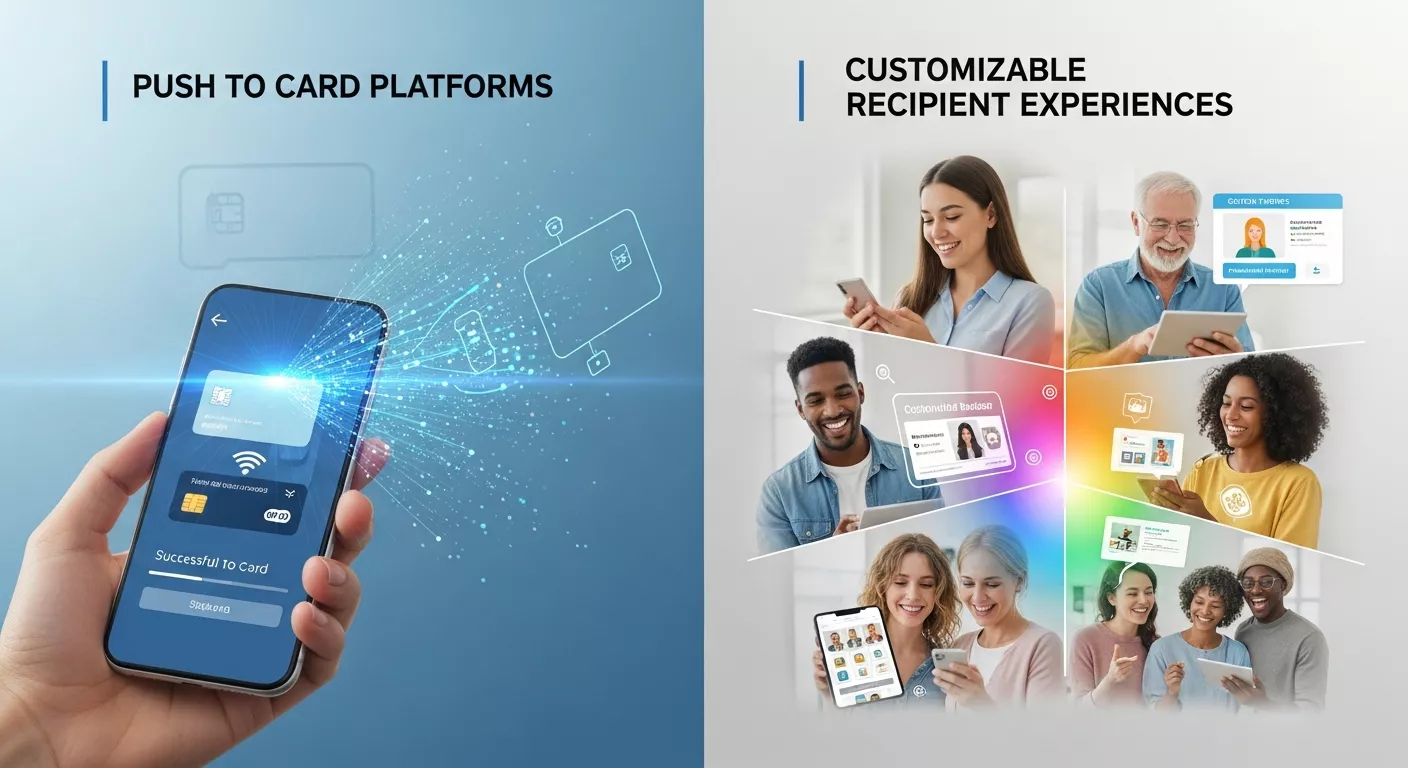
Push to card platforms are designed to send rewards directly to a card, balance, or payment destination rather than requiring manual withdrawal. This makes cashback more seamless and often faster to use.
Some advanced systems also support customizable recipient experiences rewards cashback models. These systems can allow different reward destinations, custom payout preferences, or tailored redemption styles depending on how the user wants to receive value. For example, one person might prefer direct cash back, while another prefers travel credits or store savings.
This kind of flexibility is important because not every user values rewards the same way. A family might want predictable statement credits, while a traveler might prefer travel-oriented rewards. A shopper might want direct cash value, while a loyalty member may want merchant discounts.
The best systems combine automatic tracking with flexible payout settings so that the reward fits the user’s habits instead of forcing the user into one rigid format.
Best Rewards Platforms for Cashback and Rebates
Best rewards platforms for cashback and rebates tend to share a few common traits. They offer transparent earning rules, reliable merchant tracking, a clear redemption process, and a wide enough network of partners to be useful in everyday life.
Some platforms are better at shopping rewards, while others are stronger for travel, vendor incentives, or online spending. The right choice depends on how the user spends money. A shopper-focused user should prioritize retail cashback rewards systems. A traveler should look for flight hotel cashback packages. A household spender may need a system that supports groceries, utilities, and everyday purchase cashback deals.
Rebate-oriented systems can be useful too, especially when cashback is tied to specific transactions or promotional rules. The main thing is to compare the real value, not just the marketing language.
A good platform should help the user save time, earn consistently, and redeem without confusion.
Vendors Incentive Platforms and Loyalty Cashback Rewards
Vendors incentive platforms cashback loyalty rewards systems are used by merchants and partner networks to encourage purchases and repeat engagement. These systems allow vendors to offer rewards that motivate users to buy more often or spend more per transaction.
From the vendor side, cashback acts as a conversion tool. From the consumer side, it acts as a savings tool. When designed well, both sides benefit. The merchant gets business and the user gets a reward.
Loyalty cashback rewards can be especially effective in repeat-use categories such as groceries, travel booking, restaurants, and digital services. When users return often, rewards compound over time and strengthen customer retention.
The most effective loyalty systems are simple to understand, easy to track, and clearly tied to real value. If the rules are too complicated, users may ignore them. If the rewards are easy to earn and redeem, adoption becomes stronger.
Online Cashback Rewards
Online cashback rewards are now a major part of digital shopping and payment ecosystems. The growth of ecommerce and digital checkout systems has made it easier than ever for users to earn cashback from online purchases.
These rewards may appear through shopping portals, browser extensions, cashback apps, card-linked offers, or merchant-specific campaigns. The reward might be immediate, or it may appear after an approval period. Either way, the result is the same: a percentage of the purchase value returns to the user.
Online cashback rewards are especially effective when combined with coupon codes or seasonal sales. A shopper may reduce price with a discount coupon and then earn cashback on the remaining amount. That double-layer savings structure is one of the biggest strengths of the digital cashback model.
Online Checking Account with Cashback Rewards
An online checking account with cashback rewards brings banking and savings together. In these systems, account activity may generate rewards on eligible debit spending or account-linked transactions.
This kind of structure can be attractive for people who want a simple financial system tied to daily spending. Instead of maintaining separate reward tools, the banking relationship itself may produce savings. The account may offer cashback for debit purchases, bill payments, or qualifying merchant categories.
The user should always read the terms carefully. Some checking accounts cap the amount of cashback available each month, while others restrict rewards to certain merchant types. Still, for people who want an all-in-one banking and rewards experience, cashback checking can be a strong option.
Best Cashback Rewards Programs for Online Shoppers
Best cashback rewards programs for online shoppers usually combine ease of use, merchant coverage, and reliable crediting. Since online shopping already involves digital transactions, it is a natural fit for cashback.
Shoppers should look for platforms that cover major ecommerce categories, offer clear reward rates, and support stacking with coupons when possible. The best platforms will also show purchase history, payout status, and merchant exclusions clearly.
Online shopping cashback is particularly useful during seasonal sales, holiday events, and back-to-school or travel booking periods. Since these purchases are often planned in advance, shoppers can time them to maximize reward value.
High Cashback Rewards Online
High cashback rewards online are attractive because they can create above-average returns for users who shop frequently. These offers can appear through promotional campaigns, new user bonuses, merchant partnerships, or category-based incentives.
The challenge is to distinguish a genuine high-value offer from a temporary marketing promotion with strict restrictions. Users should compare reward percentages, minimum purchase requirements, waiting periods, and excluded categories before assuming the deal is strong.
A high cashback rate is useful only if the user would have made the purchase anyway. Otherwise, the apparent savings may be offset by unnecessary spending.
Cashback Savings Program
A cashback savings program is a structured system that helps users accumulate and redeem rewards over time. The goal is not only to earn cashback, but to turn it into a repeatable savings habit.
A well-designed cashback savings program should include earning paths, redemption rules, dashboard visibility, and performance tracking. It may also support cards, apps, shopping portals, or loyalty partnerships. The user should be able to understand the full system without needing advanced financial knowledge.
The phrase cashback program complete savings suggests an integrated model where every eligible purchase can contribute to overall financial efficiency. In such a system, spending is not simply consumption; it is also an opportunity to recover value.
Complete Cashback Rewards System
A complete cashback rewards system combines cards, platforms, apps, merchant incentives, and redemption tools into one connected process. The more integrated the system, the more consistent the saving potential.
For example, a user may earn rewards through a cashback credit card, make purchases online through a cashback portal, use a mobile cashback app for receipt-based rewards, and redeem the accumulated value through statement credit or direct transfer. When these elements work together, the result is a full cashback ecosystem.
The complete system should also support cashback tracking tools, reward history, and category visibility so the user can see where value is being earned.
How Cashback Programs Work
How cashback programs work depends on the structure, but the basic logic stays the same. A user makes an eligible purchase, the transaction is tracked, the reward is calculated, and the cashback is paid out later.
In some programs, the cashback is immediate. In others, there is a delay while the merchant confirms the purchase and the return window passes. The delay helps protect the system from fraud and returns.
Users should remember that cashback programs often have exclusions. Not every item or vendor may qualify. Therefore, reading the terms matters. A program can appear generous on the surface but still have limitations that reduce the real return.
Cashback Discount System
A cashback discount system turns spending into a combination of direct savings and earned rewards. The initial purchase may include a discount code, a sale price, or a promotional offer. Then cashback adds a second layer of value.
This kind of system is especially effective in ecommerce and travel booking because customers often compare prices across multiple options. Cashback makes the chosen purchase feel more rewarding, while the discount lowers the immediate out-of-pocket cost.
A good cashback discount system should be easy to understand. If the user has to solve too many conditions to get the reward, the system becomes less appealing.
Cashback Apps for Savings
Cashback apps for savings are popular because they let users earn rewards from their normal shopping behavior. Some apps track receipts, some track linked card purchases, and others work as shopping portals.
The most useful cashback apps are simple, fast, and reliable. They should show pending rewards clearly and provide straightforward redemption options. A user should not need to guess where the cashback went or when it will arrive.
These apps can also help users discover everyday purchase cashback deals and track how much they save over time. For anyone trying to build better money habits, app-based tracking can make the savings more visible and motivating.
Cash Back Tracking Tools
Cashback tracking tools are essential for users who want to maximize returns without losing visibility. These tools may be built into the platform or used separately to monitor spending and rewards.
Tracking helps users answer important questions. Which category earns the most? Which platform pays out reliably? Which spending pattern produces the greatest value? Without tracking, it is easy to overestimate or underestimate the benefit of a cashback system.
Users who track cashback can also spot problems early, such as missing rewards, expired offers, or untracked purchases. This keeps the system honest and helps improve the savings strategy over time.
Spending and Cashback Optimization
Spending and cashback optimization means arranging everyday spending in a way that improves reward value without creating waste.
This does not mean buying more. It means using the right tool for the right expense. A grocery card should be used for groceries. A travel cashback system should be used for flights and hotels. A shopping portal should be used when online cashback is available. A coupons-and-cashback stack should be used when the merchant allows it.
Optimization also means watching total value. A small cashback rate on a necessary purchase may be better than a high cashback rate on a bad-value product. The purpose is to increase net savings, not just reward percentages.
Everyday Purchase Cashback Deals
Everyday purchase cashback deals are valuable because they align with expenses people already have. Household items, transport, groceries, online services, and routine shopping are ideal targets for cashback.
When users make the same kinds of purchases every week or month, even a small reward rate can become meaningful over time. The cumulative effect matters more than the size of any single transaction.
This is one reason cashback programs are often more practical than occasional promotions. Repeating savings create real impact.
Retail Cashback Rewards System
A retail cashback rewards system allows shoppers to earn returns from store purchases, online retail orders, or merchant partnerships. These systems are common in fashion, electronics, home goods, and general shopping ecosystems.
The retail system may reward purchases directly or may work through a linked platform. Users should review merchant eligibility, reward rates, and redemption timing carefully. Not every store or product line may qualify, and some rewards may only apply to selected items.
Retail cashback works best when it supports normal shopping behavior, not impulse buying.
Cashback Redemptions and Timing
The time to redeem cashback matters because reward systems can behave differently. Some users prefer immediate redemption for simplicity. Others wait until they have a larger balance so the reward feels more meaningful.
Cashback redemption process rules may include thresholds, payout dates, or account verification. Users should know whether rewards expire and whether redemption costs anything. A flexible system with clear payouts is usually best.
The more visible and accessible the redemption process is, the more likely users are to trust the program.
Total Savings Through Cashback Programs
The total savings through cashback programs can be significant over time, especially when the user combines cards, platforms, coupons, and category rewards. The key is consistency.
A single cashback event may seem small. But repeated use across groceries, online shopping, travel, and daily expenses can build a meaningful saving stream. That is why cashback is often best viewed as a long-term habit rather than a one-time bonus.
The user who tracks, compares, stacks where allowed, and redeems wisely will usually see stronger results than someone who only uses cashback randomly.
Best Practices for Building a Cashback System
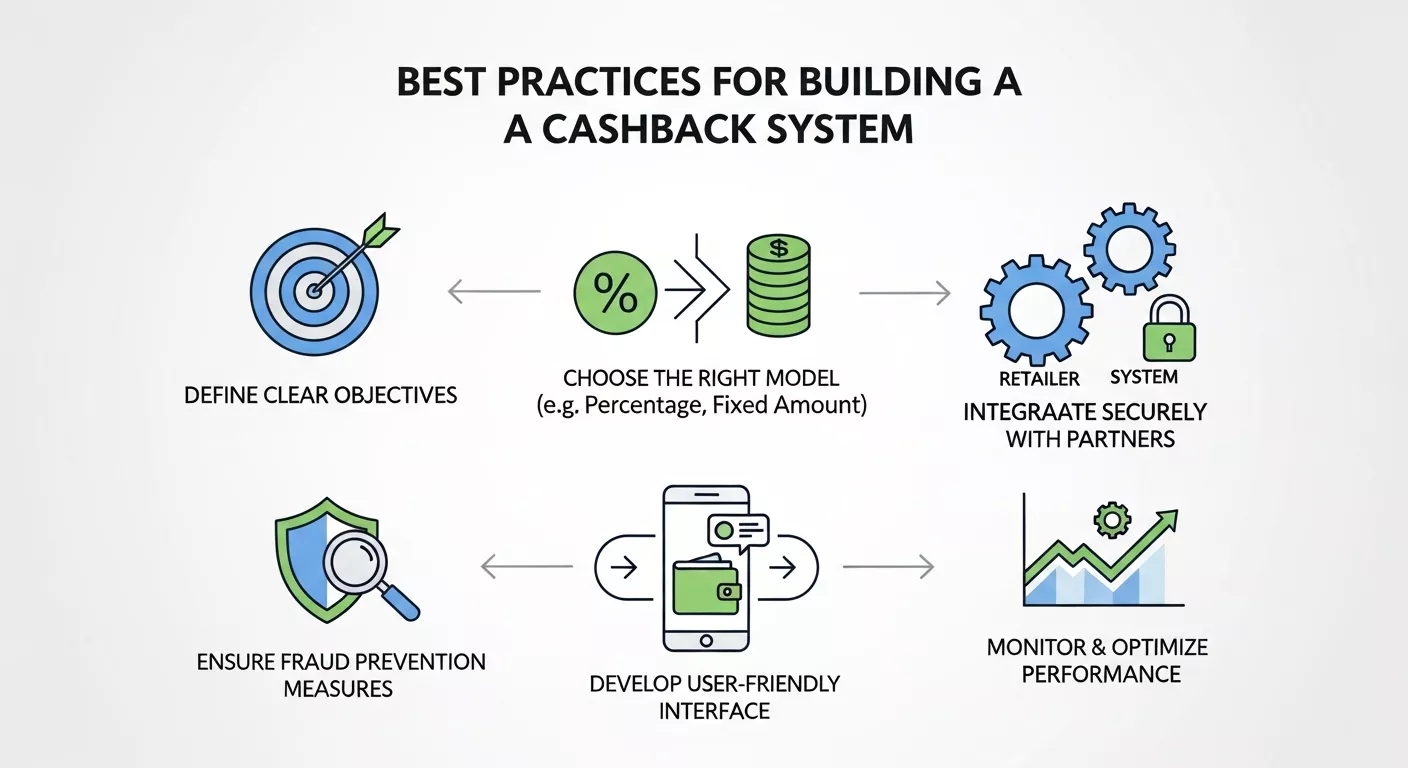
To build a strong cashback system, start by identifying your most frequent spending categories. Then choose the right card or platform for those categories. Add tracking tools so you can measure performance. Use coupon stacking where allowed. Redeem rewards regularly. Review your system every few months and adjust if spending patterns change.
The strongest systems are simple enough to maintain and flexible enough to evolve. A complicated cashback setup can become frustrating, but a focused one can generate real savings.
Conclusion
Cashback rewards are one of the most practical ways to turn spending into value. Whether they come from cards with cashback rewards, cashback rewards platforms, online cashback offers, mobile cashback apps, travel cashback rewards, grocery cashback rewards, or a complete cashback savings program, the goal remains the same: return part of your spending back to you.
The real power of cashback is not just the reward rate. It is the system behind the reward. When users understand how cashback rewards work, compare reward points vs cashback, use cashback earning strategies, track their spending, and redeem wisely, they can build a savings pattern that improves over time.
A strong cashback strategy is not about chasing every offer. It is about matching the right reward tool to the right spending habit. If the system fits the user’s real life, cashback becomes more than a promotion. It becomes a smart financial habit.
FAQs
1. What are cashback rewards?
Cashback rewards are incentives where users receive a percentage of their spending back as money, credit, or points. They are offered by credit cards, apps, and online platforms to encourage spending while giving savings in return.
2. How do cashback rewards work?
When you make a purchase using a cashback-enabled card or platform, the system tracks your transaction and credits a percentage of the amount back to your account after approval or verification.
3. Are cashback credit cards worth it?
Yes, cashback credit cards are useful for everyday spending like groceries, fuel, and online shopping. They offer automatic savings, but benefits depend on spending habits and reward categories.
4. What is the difference between cashback and reward points?
Cashback gives direct money or credit value, while reward points must be converted into benefits like travel or gifts. Cashback is simpler and more transparent for most users.
5. How can I maximize cashback savings?
You can maximize savings by using category-based cards, combining coupons with cashback offers, shopping through cashback portals, and choosing platforms that match your spending habits.
6. What are cashback rewards platforms?
These are digital systems that connect users with merchants and offer cashback on shopping, travel, and services. They track purchases and automatically apply rewards after transactions.
7. Can I use cashback with discount coupons?
Yes, in many cases you can combine cashback offers with coupons. This allows double savings—instant discount plus cashback after purchase—depending on platform rules.
8. How long does cashback take to credit?
Cashback usually takes a few days to several weeks depending on the platform, return window, and merchant verification process.
9. What are the best categories for cashback rewards
Popular categories include groceries, travel bookings, online shopping, dining, fuel, and subscriptions, as these are frequent spending areas.
10. Are cashback apps safe to use?
Yes, most cashback apps are safe if they are trusted and well-reviewed. Always use verified platforms and avoid sharing sensitive card data with unknown services.